As an Amazon Associate I earn from qualifying purchases.
Introduction to Nifty’s Decline
- Introduction to Nifty's Decline
- Understanding the Santa Rally Phenomenon
- Sector Analysis: The IT Sector Setback
- Commodity Market Volatility: A Shift in Investor Focus
- The Impact of Rupee Depreciation and FII Sentiment
- Current Market Sentiment and Broader Context
- Technical Analysis: Key Support Levels for Nifty
- Potential Triggers for Market Rebound
- Conclusion: Navigating Market Uncertainty
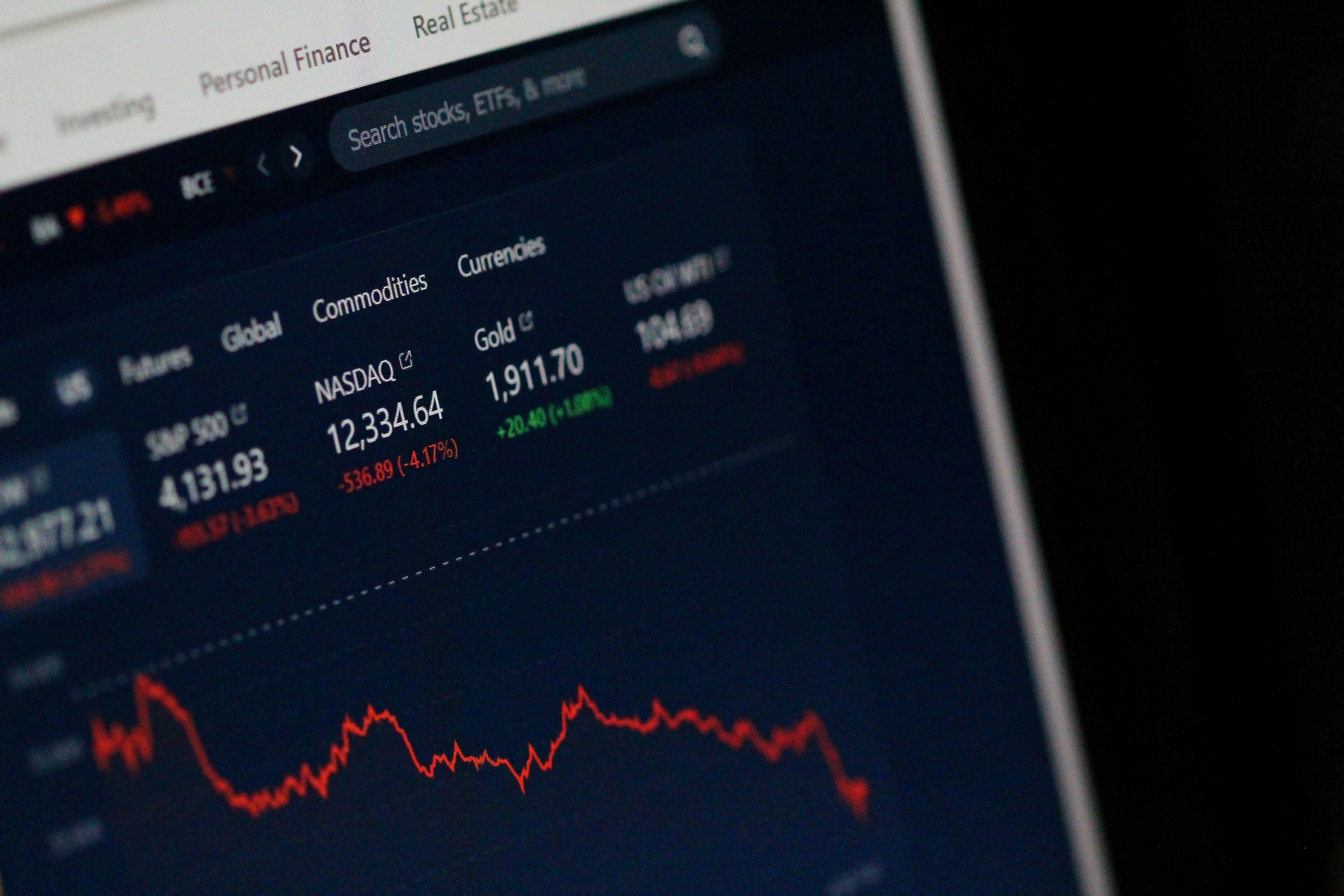
The recent downturn in the Nifty and Sensex indices has taken many market observers by surprise, especially considering the historical performance during the traditional Santa rally period. This year, what is typically characterized by positive momentum and investor optimism has instead manifested a notable decline in equity prices. Reports indicate that Nifty, along with its peers, experienced significant selling pressure, ultimately leading to a sharp decrease of over 2% in one trading session.
Investor sentiment has shifted dramatically as fundamental factors impacting the economy have come to light, raising concerns over inflation and potential interest rate hikes. Moreover, the global economic outlook has been undermined by geopolitical tensions and fluctuations in commodities, which have had a cascading effect on market indices. Such conditions are particularly disheartening, given that the end of the year generally anticipates a lift in market values, as participants position themselves for gains typically associated with the festive season.
This unexpected movement has raised questions about the sustainability of the bullish trends observed earlier in the year. Analysts have pointed out that the current performance of the Nifty 50, a key benchmark index, may be influenced by factors such as sector-specific challenges and an overall reduction in risk appetite among investors. The seemingly abrupt adjustment illustrates a deeper reevaluation of asset valuations, as market players react to evolving narratives in the economic landscape.
As the market recalibrates, observers will need to monitor the trajectory of the indices closely, keeping an eye on forthcoming data releases and expert assessments. Investors should remain vigilant as they navigate these turbulent times, recognizing that market behavior can often defy expectations, particularly during periods traditionally associated with bullish enthusiasm.
Understanding the Santa Rally Phenomenon
The term “Santa Rally” refers to a phenomenon observed in the stock market during the final week of December and extending into early January, where stock prices tend to rise. This upward trend typically occurs amidst the holiday season, largely driven by investor optimism, holiday bonuses, and the general festive spirit that accompanies the end of the year. The Santa Rally has historically been associated with increased trading volumes as many investors re-evaluate their positions, leading to substantial movements in market indices such as the Nifty 50.
Statistical analysis has revealed that the Santa Rally has occurred in various forms over the decades, although the nature and strength of this phenomenon can vary. For example, data indicate that from 1969 to 2018, the S&P 500 has generated an average gain of about 1.3% during this period. Comparable trends can also be identified within the Indian equity markets, where commodities and sectors like technology, particularly within the IT sector, have emerged as key players in contributing to market performance during this time of year.
The optimism surrounding the Santa Rally is often bolstered by positive economic indicators, recent salary hikes reported by various industries, and an overall bullish sentiment that encourages investors to partake in the market. This optimism can create a self-fulfilling prophecy as investors jump in expecting rising prices, further amplifying the potential for a rally. However, it’s essential to remain cognizant of the underlying economic fundamentals and market trends that might counteract these seasonal expectations. By doing so, investors can gain a more nuanced understanding of market behavior during this typically festive period, setting appropriate expectations for the upcoming year.
Sector Analysis: The IT Sector Setback
The IT sector has recently faced considerable headwinds, which have significantly contributed to the decline of the Nifty 50 index. Historically, the IT sector has been a pillar of strength for India’s economic landscape, often driving growth and investor confidence. However, recent developments indicate a troubling trend, primarily driven by heightened operational costs and adjustments in salary structures.
Leading IT companies have announced substantial salary hikes in response to the competitive labor market. While these salary increases may be essential for retaining top talent, they also lead to increased operational costs. Companies must balance these hikes with maintaining their operating margins, which has become increasingly challenging amid fluctuating demand for IT services.
This cost pressure has been exacerbated by other global concerns, including inflation and geopolitical tensions, making it difficult for IT firms to sustain their previous profitability levels. Investors are closely monitoring how these rising costs affect the bottom line and overall sector performance. As the IT sector constitutes a significant portion of the Nifty 50, any underperformance can lead to a broader market reaction, evidenced by today’s decline.
Moreover, the global landscape has shifted, with many companies reassessing their technology spending in light of economic uncertainty. This reassessment could further dampen demand for IT services, compounding the challenges faced by domestic firms. Analysts are urging caution, as the sector must navigate these turbulent waters with strategic planning and innovative approaches to maintain a competitive edge.

- 𝟲-𝗭𝗼𝗻𝗲 𝗖𝘂𝘀𝘁𝗼𝗺 𝗥𝗚𝗕 𝗕𝗮𝗰𝗸𝗹𝗶𝘁 𝗞𝗲𝘆𝗯𝗼𝗮𝗿𝗱 𝘄𝗶𝘁𝗵 𝟴 𝗠𝗼𝗱𝗲𝘀: Elevate your gaming setup with vibrant, customizable lighting effects.
- 𝗦𝗽𝗲𝗰𝗶𝗮𝗹 𝗞𝗲𝘆𝗯𝗼𝗮𝗿𝗱 𝗦𝗵𝗼𝗿𝘁𝗰𝘂𝘁 𝗞𝗲𝘆𝘀: Dedicated Screenshot, Show, and Xbox Game Bar shortcuts for seamless functionality.
- 𝗔𝗱𝗷𝘂𝘀𝘁𝗮𝗯𝗹𝗲 𝗗𝗣𝗜 𝗠𝗼𝘂𝘀𝗲 (𝟭𝟮𝟬𝟬-𝟯𝟲𝟬𝟬 𝗗𝗣𝗜): Precision control for every gaming scenario, paired with 6 responsive buttons.

- [Connectivity]: Enjoy a seamless gaming experience with the ZEB-Transformer Pro wireless keyboard and mouse combo that p…
- [Keys on the keyboard]: The keyboard with 104 keys has a detailed layout, with a dedicated Rupee key (₹) for efficient t…
- [Outlook]: The ZEB-Transformer Pro keyboard has an aluminum body and a 2-step stand to enhance comfortability

- Multicolor LED ( 4 modes – 3 light modes and 1 off mode ),Integrated media control Windows key Disable / Enable function
- All Keys Disable / Enable function , All Keys Disable / Enable function
- 2-steps stand design, Laser keycaps
In examining the overall implications, it becomes clear that the current situation in the IT sector is not merely an isolated incident but rather a reflection of broader economic conditions. The future trajectory of the Nifty 50 will likely depend on how effectively the IT sector can manage these complexities while striving for stability amidst rising costs associated with salary hikes.
Commodity Market Volatility: A Shift in Investor Focus
The recent fluctuations in the commodity market have captured the attention of investors, contributing significantly to the performance of the Nifty 50 index. Such volatility has encouraged a notable shift, where investor interest has gravitated away from equities and towards assets linked to commodities such as gold, silver, and copper. This rotation can be traced to various macroeconomic factors that have influenced investor sentiment and risk appetite.
In this context, commodities have always been viewed as a hedge against market downturns, particularly in uncertain economic climates. As inflationary pressures have surged, many market participants have sought solace in traditional safe-haven assets like gold. The rising prices in commodities reflect a broader concern over economic stability, prompting capital to flow out of index-heavy stocks, including those listed on Nifty 50, which typically represent the performance of large corporations.
- New Found Gold – Turning Queensway Into a Gold Mine Transcript – All You Need to Know!
- 51Talk Online Education Group Third Quarter 2025 Results – All You Need to Know!
- The Buckle, Inc. Fourth Quarter Earnings Transcript – All You Need to Know
- Emerald Fourth Quarter and Full Year 2025 – Edited Transcript
- India-US Trade Deal: All You Need to Know About!
The increased demand for commodity-linked assets has exacerbated the downward pressure on equities, as investors reallocate their portfolios to mitigate risk. This has been observed particularly among sectors sensitive to commodity prices, resulting in a notable impact on the performance of major stocks within the Nifty 50 index. As capital shifts from equities to commodities, it underscores the dynamic nature of market sentiment and the intricate relationship between different asset classes.
As we analyze these trends, it becomes clear that investor behavior is heavily influenced by prevailing market conditions and future expectations. The commodity market, with its inherent volatility, has increasingly been at the forefront of investor decision-making, leading to significant implications for stock markets. This underscores the importance of monitoring commodity prices as an indicator of broader economic sentiments, particularly when assessing the future trajectory of the Nifty 50 and its constituent stocks.
The Impact of Rupee Depreciation and FII Sentiment
The depreciation of the Indian rupee has emerged as a significant factor influencing foreign institutional investments (FIIs) in the it sector and broader Indian markets, particularly during periods of market volatility such as the recent downturn of the Nifty 50 index. A declining rupee not only affects the conversion rate for foreign investments but also raises concerns regarding profitability for overseas investors. When the currency weakens against the dollar, it increases the cost of repatriating profits, thus making Indian assets less attractive to FIIs.
The reluctance among foreign investors to participate is exacerbated by the current global economic uncertainties, including rising inflation and interest rates in developed markets. These factors have led to a cautious outlook among FIIs, resulting in strategic withdrawals or reduced allocations from the Indian equities market. When FIIs reduce their investment in sectors like commodities and technology, it can create a ripple effect, leading to increased selling pressure on the Nifty 50 and an overall negative sentiment in the market.



Moreover, this cautious FII sentiment aligns with the bearish trends observed in the market. As foreign institutional investors adjust their portfolios, domestic investors may also feel compelled to reevaluate their strategies, often leading to further declines in stock prices. The correlation between rupee depreciation and FII behavior underscores the importance of maintaining a stable currency environment to foster investor confidence in the it sector and other asset classes. Should the rupee stabilize, it may bolster hopes for renewed foreign interest and help mitigate the bearish trends currently affecting the market.
Current Market Sentiment and Broader Context
The ongoing state of the stock market reveals a sentiment heavily influenced by current market dynamics, characterized by a consolidation phase and marked uncertainty. With the Nifty 50 experiencing a downturn despite expectations of a Santa rally, investors are growing cautious, largely due to the lack of fresh global cues and significant trade developments. This environment has created a breeding ground for profit-taking activities, which can substantially impact overall market momentum.
In recent weeks, the IT sector has shown mixed performance, reflective of broader market trends. As companies in this sector face ongoing challenges, including fluctuating demand for their services, the uncertainty has spilled over into market sentiment. Investors are apprehensive about the potential for salary hikes and employment fluctuations, which can further exacerbate concerns in this critical industry. As a result, we are witnessing a pullback from risky assets, indicating a shift in risk appetite.
Moreover, the lack of compelling economic indicators or fresh catalysts has left traders hesitant. Without new information to drive decision-making, markets tend to revert to profit-taking as a safer strategy. This scenario reflects the caution pervasive among investors, who are increasingly concerned about how external factors, including geopolitical tensions and commodity price volatility, might impact profitability and growth prospects.
Consequently, these sentiments translate into daily fluctuations within indices such as Nifty 50, revealing a complex interplay of trader psychology and market fundamentals. As speculative movements wane and profit realization becomes a priority, the impacts on the IT sector, along with other market segments, cannot be overstated. Moving forward, traders and stakeholders must navigate this uncertain terrain carefully to understand potential implications for future performance and profitability.
Technical Analysis: Key Support Levels for Nifty
The Nifty 50 index has recently displayed considerable volatility, prompting an analytical assessment of its key support levels. One of the most crucial psychological benchmarks for the Nifty lies at the 26,000 mark. This level serves not only as a mental barrier for investors but also as a critical technical support zone. Remaining above this threshold can instill confidence among market participants, potentially curbing further declines in the IT sector and other segments of the market.



- Modern Poze 7 Collection styling highlights a striking Green dial paired with a refined rectangular case, offering a bol…
- The durable IPG sheet-metal strap delivers a premium visual appeal while ensuring comfort and long-lasting wear, making …
- Powered by the reliable Quartz Y121 movement and featuring a clear P3H display, the watch provides precise timekeeping a…
A sustained hold above 26,000 may signal that the market is poised for stabilization and possible recovery, particularly in the context of expectations surrounding salary hikes and other economic stimuli. Conversely, if the Nifty breaches this level, it could indicate a likelihood of correction, suggesting downward movement towards the next support levels, possibly around 25,500 or even 25,000. Such a downward shift would raise concerns about the ongoing performance of indexed commodities and equities, leading to increased scrutiny from investors.
In addition to these psychological levels, traders should also consider various technical indicators such as the Relative Strength Index (RSI) and Moving Averages, which can provide deeper insights into market momentum. A departure from the established support levels accompanied by increased trading volume may serve as a trigger for assessing positions in the IT sector. Therefore, tracking these indicators can be critical in determining the likelihood of a rebound versus a sustained downturn.
In summary, the technical landscape of Nifty requires careful observation of key support levels. Maintaining a position above the 26,000 threshold appears essential for fostering recovery sentiment, while potential triggers for movements in the index remain pivotal for investors making data-driven decisions in this uncertain market environment.
Potential Triggers for Market Rebound
The recent downturn in the Nifty 50, particularly amid expectations for a Santa rally, has left many analysts looking for the underlying causes of this decline. However, there are several factors that could potentially reignite bullish sentiment in the market, leading to a rebound. One of the most critical elements is the performance of the IT sector, which has historically been a pillar of strength for Indian markets. Renewed confidence within this sector could lead to increased investments, translating to higher stock prices and a more optimistic outlook for the Nifty 50.
Foreign institutional investments (FIIs) also play a pivotal role in bolstering market performance. A resurgence in FII inflow could indicate international confidence in the Indian economy, thereby lending support to the Nifty 50. If global conditions stabilize, with favorable trading relations and easing geopolitical tensions, it further enhances the prospects for foreign capital seeking opportunities in Indian equities. The commodities market can provide insights into this phenomenon, as shifts in commodity prices can affect purchasing power and, consequently, the earnings potential of various sectors.
Furthermore, companies in the IT sector, along with those in other key industries, have been signaling potential salary hikes, which bodes well for consumer spending and overall economic growth. This increase in disposable income can ultimately lead to a recovery in market sentiment, influencing both retail and institutional investors to reassess their positions in the Nifty 50. As these factors align, they could set a foundation for renewed investor confidence, potentially leading to a delayed but impactful Santa rally.
Conclusion: Navigating Market Uncertainty
The recent crash in the Nifty 50 has left many investors bewildered, especially with the prevailing hopes for a Santa Rally. A myriad of factors contributed to this downturn, including fluctuations in global markets, dwindling investor confidence, and uncertainty surrounding economic indicators. Despite the optimistic sentiment that often accompanies the holiday season, the inability of the market to rally suggests that deeper-rooted issues may be affecting trading dynamics.
One significant aspect to consider is the influence of the IT sector on market sentiment. The performance of major commodities and technology stocks often reflects broader economic trends. The interdependency between these sectors and the overall market cannot be understated. For example, salary hikes in the IT sector, which are generally expected to have a positive ripple effect, might not materialize if companies face challenges in maintaining profitability due to external pressures. Investors need to be aware of these nuanced correlations, as they can significantly impact market trends.

- Broadcom BCM2712 2.4GHz quad-core 64-bit Arm Cortex-A76 CPU, with cryptography extensions, 512KB per-core L2 caches and …
- Dual-band 802.11ac Wi-Fi Bluetooth 5.0 / Bluetooth Low Energy (BLE)
- 2 × USB 3.0 ports, supporting simultaneous 5Gbps operation / 2 × USB 2.0 ports

- Integrated, temperature-controlled cooling fan.
- 2mm×17mm×4mm heatsink with self-adhesive pad.
- Easily removable lid exposes fan and breakout slot for cables and GPIO.

- Integrated, temperature-controlled cooling fan that connects to the fan connector on Raspberry Pi 5
- 12mm × 17mm × 4mm heatsink with self-adhesive pad improves heat transfer from the processor
- Easily removable lid exposes fan and breakout slot for cables and GPIO
Patience is crucial in this environment of volatility and uncertainty. Traders and investors should remain receptive to market signals while understanding that the emergence of new catalysts will be vital for a resurgence in the Nifty. The current market atmosphere serves as a reminder that short-term fluctuations can be deceiving. A measured approach, coupled with a keen eye on both local and international developments, can help navigate these uncertainties more effectively. As we look ahead, the search for sustainable growth and resurgence in the Nifty will continue to be paramount for many investors. In conclusion, understanding the complexities of market dynamics and maintaining patience may ultimately lead to more informed trading decisions.
Amazon and the Amazon logo are trademarks of Amazon.com, Inc, or its affiliates.