As an Amazon Associate I earn from qualifying purchases.

What is Positional Trading?
- What is Positional Trading?
- How to Do Positional Trading?
- Minimum Capital Needed for Positional Trading in Indian Stock Markets
- Is Positional Trading Safe?
- Pros and Cons of Positional Trading
- Who Can Do Positional Trading?
- Key Strategies for Successful Positional Trading
- Common Mistakes to Avoid in Positional Trading
- Conclusion: Embracing Positional Trading
Positional trading is a trading strategy that involves holding positions in financial assets for an extended duration, typically ranging from days to weeks or even months. This approach is characterized by a long-term perspective, allowing traders to capitalize on significant price movements of an asset over time. Unlike day trading, which involves frequent buying and selling within the same trading day, or swing trading, which primarily holds positions for a few days or weeks, positional trading focuses on broader market trends and requires less active management of one’s portfolio.
This strategy is especially useful in markets that are subject to volatility or where substantial price shifts are anticipated based on economic indicators, earnings announcements, or geopolitical events. Traders who engage in positional trading often utilize fundamental analysis to identify potential price movements, thereby allowing them to hold positions based on research and market trends, rather than attempting to predict short-term market fluctuations.
- New Found Gold – Turning Queensway Into a Gold Mine Transcript – All You Need to Know!
- 51Talk Online Education Group Third Quarter 2025 Results – All You Need to Know!
- The Buckle, Inc. Fourth Quarter Earnings Transcript – All You Need to Know
- Emerald Fourth Quarter and Full Year 2025 – Edited Transcript
- India-US Trade Deal: All You Need to Know About!
In terms of duration, positional traders generally evaluate their trades over a longer timeframe, often holding their positions for weeks to months, as they seek to profit from substantial price changes that may occur. This long-term view necessitates a certain level of discipline and patience, as traders must be prepared to withstand short-term volatility without closing their positions prematurely.
Moreover, market conditions that favor positional trading often include steady trends and strong fundamental indicators, as these factors can enhance the chances of achieving the desired returns. As a result, understanding positional trading can provide traders with a valuable strategy suited for various market environments, making it accessible to a broader audience, including beginners and seasoned investors alike.
How to Do Positional Trading?
Engaging in positional trading requires a structured approach, incorporating several key steps to increase the likelihood of success. Firstly, it is essential to select stocks that align with your investment strategy. Focus on companies with strong fundamentals or sectors showing growth potential. Research is pivotal; utilize reliable financial news platforms and reports to identify promising stocks.
Next, understanding market trends is crucial. Market trends can be identified through both technical and fundamental analysis. Technical analysis involves examining price charts and utilizing various tools to identify patterns and signals, while fundamental analysis assesses the economic health of a company through its financial statements and industry position.



After selecting appropriate stocks and understanding market trends, the next step in learning how to do positional trading is to create a comprehensive trading plan. This plan should outline your investment goals and the criteria for entering and exiting trades. Setting entry and exit points is vital; these parameters help determine when to buy or sell. Additionally, implementing stop-loss orders will protect your investments by minimizing losses in adverse market movements.
Risk management should also be an integral part of your strategy. Determine how much capital to allocate to each trade, ensuring that you do not overexpose yourself to market volatility. A crucial question many new traders ask is, “How much minimum capital is needed to do positional trading in the Indian stock markets?” The answer varies based on individual trading strategies and risk tolerance.
Lastly, developing a trading mindset is vital for success in positional trading. Patience and discipline are key traits, enabling you to adhere to your trading plan, even amidst market fluctuations. Understanding the pros and cons of positional trading will help traders maintain a balanced perspective, cultivating a more informed trading experience.
Minimum Capital Needed for Positional Trading in Indian Stock Markets
Positional trading is a strategy that involves holding stocks for a longer duration, typically weeks or months, to capitalize on significant price movements. For individuals interested in how to do positional trading, understanding the minimum capital required for participation in the Indian stock market is crucial. The initial capital needed varies significantly based on multiple factors, including brokerage fees, margin requirements, and the volatility of the stocks in question.
Check this good news for the Indian stock market?
In the Indian market, a general rule of thumb is to have a minimum capital of at least ₹10,000 to ₹15,000 to initiate a positional trading approach. However, aspiring traders should also consider brokerage fees, which are often charged as a percentage of the total trade value. This can either cut into the profits or raise the minimum capital needed to ensure satisfactory earnings. Additionally, different stocks may demand varying levels of capital; for instance, high-priced stocks will require a larger investment compared to mid or low-cap stocks.
Moreover, market volatility is a prominent factor that should not be overlooked. Stocks in volatile market conditions might require a higher capital cushion to withstand fluctuations without incurring significant losses. It is also advisable to have an extra buffer amount, as unexpected events can impact the performance of stocks considerably.
It is essential to approach positional trading with a well-thought-out financial plan that considers both immediate and long-term capital needs. Proper assessment of one’s financial capacity can prevent potential pitfalls and enhance the trading experience. By taking into account all these aspects, individuals can make informed decisions on engaging in positional trading effectively.
Is Positional Trading Safe?
Positional trading, while offering opportunities for substantial gains, carries inherent risks that traders must navigate. One significant risk is market volatility, which can lead to unexpected price fluctuations during the holding period of a trade. Understanding what is positional trading is essential for anyone considering this strategy, as it involves maintaining a position for an extended duration, often spanning days or weeks. Such a timeframe exposes traders to various economic and geopolitical factors that could influence stock prices, adding layers of uncertainty to their investments.
Economic conditions, including inflation rates, interest rates, and global economic events, are additional influencers that can affect the safety of positional trading. A robust knowledge of market dynamics is crucial for traders aiming to mitigate these risks. Additionally, psychological challenges such as fear and greed can cloud judgment, impacting decision-making. Traders need to cultivate emotional discipline, as the ability to stick to an established trading plan can prevent rash choices that often lead to losses.
To balance the potential risks associated with positional trading, several risk management strategies can be employed. Diversification is one fundamental technique; by spreading investments across various sectors, traders can reduce the impact of adverse movements in any single stock. Implementing stop-loss orders is another strategy, allowing traders to set predetermined exit points if a trade moves against them. Moreover, assessing how much minimum capital is needed to do positional trading in Indian stock markets, alongside maintaining a sufficient margin for potential downturns, can bolster safety.
Ultimately, while positional trading can be a rewarding strategy, it necessitates careful risk assessment and management. By recognizing the pros and cons of positional trading, traders can make informed decisions, utilizing techniques that enhance their safety and success in the market.
Pros and Cons of Positional Trading
Positional trading is a popular trading strategy among investors in stock markets, particularly in India. It offers several advantages that attract both novice and experienced traders. One of the primary benefits is the reduced time commitment compared to day trading. Traders engaging in positional trading typically hold onto their positions for an extended period, ranging from days to weeks, which allows them to analyze the market trends and make informed decisions without the pressure of daily price fluctuations.
Another significant advantage of positional trading? It often provides the potential for larger profits. Unlike day trading, where profits are often smaller and require numerous trades to accumulate, positional trading allows traders to capitalize on long-term market movements. This strategy can often yield substantial returns when positions are opened at strategic entry points.
Additionally, the approach to market analysis in positional trading can be simpler. Traders can focus on broader trends and technical indicators rather than the fast-paced environment often associated with short-term trades.
However, it is essential to consider the downsides as well. One major disadvantage is the risk involved in holding positions over an extended duration. The market can be unpredictable, leading to potential losses if economic conditions or company performances shift unexpectedly. Long-term exposure means that a trader must be prepared for market fluctuations, which can be stressful and may even require a reevaluation of investment strategies.
Lastly, the capital required for positional trading in Indian stock markets can be substantial, depending on the assets traded, emphasizing the necessity of careful financial planning. When evaluating who can do positional trading, one must consider knowledge, market experience, and risk tolerance.
Who Can Do Positional Trading?
Positional trading is a strategy that appeals to a specific type of investor or trader, particularly those who possess certain traits that favor a longer-term trading approach. Individuals best suited for positional trading are typically patient and disciplined. This patience is paramount, as it allows traders to endure fluctuations within the market without succumbing to the impulse to make hasty decisions based on short-term volatility.
Furthermore, analytical skills play a critical role in determining the effectiveness of positional trading. Traders must be adept at conducting thorough market analysis, assessing economic indicators, and understanding industry trends to make informed decisions. Possessing a keen analytical mindset helps traders identify advantageous entry and exit points, aligning with the overarching goal of capitalizing on larger market movements.



A long-term perspective is also essential in positional trading. Investors engaging in this strategy typically aim to hold their positions for weeks or even months, making it crucial for them to maintain a focus on broader market trends rather than daily price fluctuations. This characteristic sets positional trading apart from more active trading strategies, such as day trading or swing trading, which may require more immediate attention and quick decision-making.
For beginners, positional trading presents an accessible entry point compared to more active styles. New investors can start with smaller positions and gradually build their portfolio as they gain confidence and experience. While positivity and thorough understanding are vital for any trading strategy, the less frenetic pace of positional trading can offer a more forgiving learning environment for novices. Thus, individuals with patience, analytical abilities, and a long-term outlook will find positional trading a suitable approach for their investment strategies.
Key Strategies for Successful Positional Trading
Positional trading is a strategy that allows traders to capitalize on long-term market trends. To optimize your approach, it is crucial to employ effective strategies. One of the fundamental strategies involves trend-following. By identifying and aligning with the prevailing market trend, you can enhance your chances of making profitable trades. Utilizing technical analysis tools, such as chart patterns and trend lines, can provide insights into potential price movements and help determine entry and exit points.
Another essential element in positional trading is the use of moving averages. Simple moving averages (SMA) or exponential moving averages (EMA) can smooth out price fluctuations and offer a clearer view of the trend direction. When the price crosses above a moving average, it may signal a buying opportunity, while a cross below may indicate a selling point. By integrating moving averages into your trading strategy, you can create a more robust system for managing positions.
Diversification also plays a vital role in mitigating risk during positional trading. By spreading your investments across various sectors or asset classes, you can reduce the impact of a poor-performing trade on your overall portfolio. This approach can be particularly beneficial in volatile markets where specific stocks may experience sudden downturns.
Furthermore, knowing when to adjust your positions is crucial for success. Regularly reassessing your portfolio and remaining informed about market changes can help you make timely adjustments. For instance, if an asset starts to underperform or if market conditions shift, it may be prudent to exit or modify your position. Understanding how to do positional trading effectively involves continual learning and adaptation.
In conclusion, implementing key strategies such as trend-following, leveraging moving averages, diversifying your portfolio, and being flexible in adjusting positions can significantly improve your positional trading outcomes. Mastering these techniques is essential for those wondering how to do positional trading successfully and who want to manage risk effectively in their investing practices.
Common Mistakes to Avoid in Positional Trading
Engaging in positional trading can be rewarding, but it also comes with its fair share of pitfalls. One of the most common mistakes traders encounter is neglecting to perform proper analysis before entering a trade. To effectively understand what is positional trading, one must utilize both technical and fundamental analysis to make informed decisions. This preparation enables traders to identify potential market movements and set appropriate targets.
Another frequent error is the mismanagement of emotions. Positional trading typically involves holding onto positions for an extended period, which can provoke uncertainty and anxiety, especially during market fluctuations. Traders must maintain a disciplined approach and adhere to their trading plans without allowing emotions to dictate their decisions. Failing to do so can lead to impulsive actions that undermine trading strategies.
Additionally, some traders make the mistake of holding onto losing positions for too long, hoping the market will turn in their favor. This ‘hope trading’ can escalate losses and significantly deplete capital. Understanding how much minimum capital is needed to do positional trading in Indian stock markets can help mitigate this risk, as it establishes limits and encourages strategic exits from unprofitable trades.
Moreover, disregarding stop-loss orders is another common lapse among traders. These orders act as a safety net and are essential for containing potential losses, particularly in volatile markets. By implementing stop-loss strategies, traders can safeguard their investments and enhance their resilience against market unpredictability.
In conclusion, recognizing these common mistakes can empower traders to improve their outcomes in positional trading. By engaging in thorough analysis, managing emotions, exiting losing positions promptly, and employing stop-loss measures, individuals can significantly enhance their trading performance and reduce risks associated with positional trading.
Conclusion: Embracing Positional Trading
Positional trading offers a distinctive approach to market engagement, catering to investors with a long-term perspective. The primary focus is on capturing significant price movements in stocks and commodities over an extended period, typically spanning weeks to months. Understanding what is positional trading is is crucial for anyone interested in this strategy, as it emphasizes thorough analysis and patience rather than the fast-paced nature of day trading.
In discussing how to do positional trading, we have examined the importance of setting clear goals, conducting in-depth technical and fundamental analyses, and maintaining discipline to adhere to a well-structured strategy. This trading style can be particularly advantageous for individuals who hold full-time jobs or other commitments, as it requires less time compared to day trading. Additionally, the question of how much minimum capital is needed to do positional trading in the Indian stock markets remains valid, as investors should be mindful of their financial capacity and risk tolerance before diving into this arena.

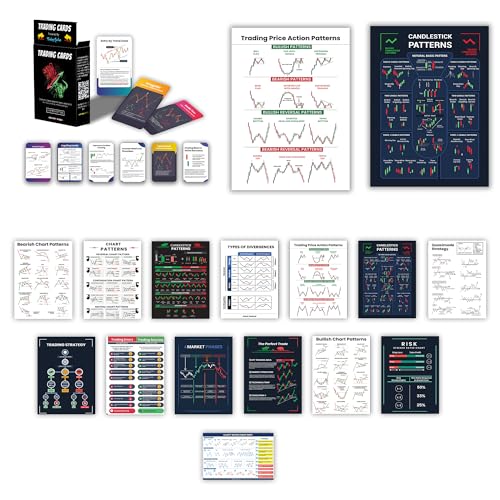
- Set of 72 Hindi Edition trading flashcards for beginners, covering essential candlestick patterns and technical analysis…
- Includes 14 high-definition candlestick chart patterns wall posters, providing a visual guide to essential stock market …
- Durable, high-quality prints and cards ensure long-lasting use, ideal for enhancing your trading setup with educational …
While the pros and cons of positional trading were explored, it is important to recognize that this method also entails specific risks, such as market volatility and the need for ongoing market assessment. However, with a calculated approach, those who are suitable for positional trading—such as disciplined and patient investors—can potentially reap considerable rewards.
For those intrigued by this trading technique, the next steps include further research on market trends, exploring educational resources, and perhaps engaging with investment professionals to refine their strategies. The journey into positional trading can be rewarding, provided there is a commitment to understanding its intricacies and aligning it with personal financial goals.
Amazon and the Amazon logo are trademarks of Amazon.com, Inc, or its affiliates.
1 thought on “Positional Trading: Is it really for you?”