As an Amazon Associate I earn from qualifying purchases.

Introduction to Indian Mutual Fund Growth
- Introduction to Indian Mutual Fund Growth
- Consolidation Phase of the Market
- Role of Domestic Institutional Investors and Retail Investors
- The Evolution of Mutual Funds' AUM
- Economic Factors Driving AUM Growth
- Exploration of Fund Categories: FlexiCap and Multi-Cap
- Key Players in the Mutual Fund Industry
- Conclusion and Future Outlook
The Indian mutual fund industry has been experiencing a remarkable transformation over the past few years, positioning itself as a key player in the nation’s financial landscape. As per a recent report by ICRA Analytics, the industry’s assets under management (AUM) are anticipated to reach an impressive INR 300 trillion by 2035. This ambitious projection underscores the crucial role that mutual funds are poised to play in fostering financial inclusion and promoting long-term wealth creation amongst Indian investors.
Currently, the mutual fund AUM stands at a significant milestone, reflecting a growing appetite among retail investors. This trend is indicative of a paradigm shift, where individuals increasingly recognize mutual funds as a viable investment option, thus paving the way for strong portfolio diversification. The ongoing financial literacy campaigns and increasing participation of young investors have further catalyzed this trend, showcasing a robust growth trajectory.
Moreover, the importance of mutual funds is not merely confined to their ability to provide investors with a diversified investment platform. These funds serve as vital instruments for channeling savings into productive avenues within the economy. The predicted growth to a mutual fund AUM of INR 300 trillion by 2035 is set to significantly bolster capital markets, drive economic growth, and create more investment opportunities for the public.
In this context, mutual funds have emerged as essential growth drivers that not only enhance individual portfolios but also contribute to overall market stability. With the backing of expert management and regulatory frameworks, mutual funds are well-positioned to become an even more central element in the financial journeys of millions of Indians seeking to build wealth over time.
Consolidation Phase of the Market
The Indian mutual fund industry is currently experiencing a consolidation phase that has been influenced significantly by recent trends in fund flows. This phase can be largely attributed to substantial outflows from promoters and foreign institutional investors (FIIs). Promoters, who have historically injected large capital into mutual funds, are now pulling back, which has initiated a period of reassessment for the market.
Additionally, the exit of foreign institutional investors has further pressured the systematic inflows that have been vital for sustaining mutual fund assets under management (AUM). Recent statistics indicate that the mutual fund AUM has witnessed fluctuations in response to these outflows, thus demonstrating the intricate dynamics of supply and demand within the market. When major players withdrew their investments, it created an environment where the inflow of fresh capital became a critical necessity for stimulating growth in the sector and driving the mutual fund industry’s objective of reaching a remarkable 300 trillion by 2035, as estimated by ICRA Analytics.
- New Found Gold – Turning Queensway Into a Gold Mine Transcript – All You Need to Know!
- 51Talk Online Education Group Third Quarter 2025 Results – All You Need to Know!
- The Buckle, Inc. Fourth Quarter Earnings Transcript – All You Need to Know
- Emerald Fourth Quarter and Full Year 2025 – Edited Transcript
- India-US Trade Deal: All You Need to Know About!
The need for fresh inflows cannot be overstated. It is through increased investment from both institutional and retail investors that the mutual fund industry can regain its momentum during this consolidation phase. Encouraging retail participation is particularly essential as it not only diversifies the investment base but also provides stability against external market shocks. Furthermore, the proactive measures undertaken by asset management companies to enhance investor education and awareness regarding mutual funds can help catalyze this reinvigoration. As the AUM grows, driven by renewed interest and investment, it becomes apparent that the path to meeting the 300 trillion target relies heavily on overcoming the challenges posed by this consolidation phase.
Role of Domestic Institutional Investors and Retail Investors
The growth trajectory of the mutual fund industry in India, particularly the target of achieving mutual fund AUM of 300 trillion by 2035 as projected by ICRA analytics, significantly depends on the contributions of Domestic Institutional Investors (DIIs) and retail investors. These two segments play pivotal roles in the stability and growth of the market, especially in challenging times marked by widespread sell-offs.
Domestic Institutional Investors provide a much-needed cushion during periods of market volatility. By reallocating their investments strategically, DIIs can assist in stabilizing asset prices, thus encouraging and maintaining investor confidence in mutual funds. Their considerable investment volume positions them as key players who can either exacerbate market decline or help in recovery. When DIIs actively participate in buying during bearish phases, they can mitigate the impact of major sell-offs, thereby providing a positive signal to other investors, including retail participants.

- 4K Supported | 1080P Full HD Mini Projector: Steepify Portable Mini Projector with 4K support & native 1080P Full HD res…
- Built-in WiFi 5G & Bluetooth 5.0 Connectivity: Smart projector with dual WiFi (2.4G + 5G) for fast screen mirroring and …
- Wide Compatibility with TV Stick, Mobile & Laptop Compatible with Fire TV Stick, Chromecast, Windows laptop, PC, Android…

- 【WIFI 6 Wireless Smart Projector】Say goodbye to traditional HDMI cable conversion projection, this smart projector is bu…
- 【BT 5.0 & Speaker Function】The portable projector has built-in Bluetooth 5.0 chip and speakers, you can pair the project…
- 【180° Rotatable Mini Projector】The projector base includes a 180° rotating bracket that allows you to orient the project…

- ⚡📺🎮🎁【22,100 Games in 1 Console】The 4K Wireless Game Console System Has 22,100+ Rich Games Built-in, Applies for TV/Led/P…
- ⚡📺🎮🎁【Plug-and-Play】Simply connect the HDMI GameStick to your TV or monitor, and start playing instantly—no complicated s…
- ⚡📺🎮🎁【2.4GHz Wireless Controllers】Package With Dual 2.4GHz Wireless Controllers And Adapters, The Controller Connection I…
Retail investors, particularly through Systematic Investment Plans (SIPs), have emerged as a critical force in the mutual fund landscape. SIPs, which allow individuals to invest fixed amounts at regular intervals, not only enable retail investors to navigate market fluctuations with ease but also ensure a steady inflow of funds into mutual funds. This inflow is vital; it creates a consistent demand for mutual funds that can absorb excess supply during downturns, helping to stabilize the market. Furthermore, retail investors often demonstrate remarkable resilience in maintaining their SIP commitments, even in distressed markets, which underscores their importance in achieving the ambitious mutual fund AUM target.
As we move towards the goal set forth by ICRA analytics, fostering a robust ecosystem that encourages both DIIs and retail investors is paramount. Their combined efforts will be crucial in reaching the projected 300 trillion mutual fund AUM by 2035, as they navigate both opportunities and challenges in the evolving financial landscape.
The Evolution of Mutual Funds’ AUM
The Indian mutual fund industry has witnessed exceptional growth over the past few years, marked by a significant increase in Average Assets Under Management (AUM). The surge from INR 70 trillion to INR 81 trillion in recent times highlights the growing acceptance of mutual funds among retail and institutional investors alike. This remarkable increase of approximately 15.7% can be attributed to various factors that underscore the evolving financial landscape in India.
One of the primary drivers of this expansion has been the increasing financial literacy among Indian investors. With more resources available online, a greater number of individuals are educated about investment options, particularly mutual funds. As people become aware of the benefits of systematic investments and diversification, they are more inclined to allocate their savings into mutual funds. Additionally, the growing middle class, coupled with rising disposable incomes, has led to increased participation in the mutual fund market.
Furthermore, the economic recovery and favorable policy initiatives implemented by the government have played a pivotal role in promoting the mutual fund industry. Regulatory bodies like the Securities and Exchange Board of India (SEBI) have worked tirelessly to enhance investor protection and transparency within the industry, bolstering confidence among potential investors. This has encouraged even more individuals to consider mutual funds as a viable option for long-term wealth creation.
Moreover, the introduction of technology-driven platforms has simplified the investment process. Online mutual fund platforms allow investors to track performance effortlessly, simplifying revenue collection and reporting processes for fund houses. The growing adoption of mobile and internet services across the country has further enhanced accessibility, ensuring that a wider demographic can invest in mutual funds.

In context, market intelligence from ICRA Analytics suggests that the mutual fund industry is on a robust trajectory towards reaching INR 300 trillion by 2035. This ambition reflects not only the industry’s endurance but also its crucial role in wealth creation over the long term. The journey of mutual fund AUM evolution underscores the potential investors have to build a substantial financial future through disciplined investing.
Economic Factors Driving AUM Growth
The growth of the mutual fund industry in India, projected to reach an astounding 300 trillion by 2035, is largely driven by several pivotal economic factors. One of the foremost contributors to this expected growth is the sustained net inflow of capital into mutual funds. As more investors recognize the potential of mutual funds as a viable investment avenue, the assets under management (AUM) have seen significant increases. According to ICRA Analytics, this consistent influx is bolstered by an increasingly favorable investment climate characterized by economic stability and strong market performance.
Another essential economic aspect is the robust performance of the Indian stock market. As equity markets thrive, investor confidence tends to rise, prompting increased allocations to mutual funds. This trend is particularly notable among younger generations who are more inclined to explore equity-oriented schemes offered by mutual funds, viewing them as avenues for wealth creation. In addition, the performance of mutual funds often outpaces traditional investment vehicles, further tempting investors to channel their funds towards mutual funds.



Moreover, the digital adoption surge among retail investors contributes significantly to the mutual fund industry’s expansion. With technological advancements, investors can now access information and invest in mutual funds more easily than ever before. This digital inclination is especially prevalent among women and households in smaller towns who are increasingly participating in the investment landscape. By utilizing digital platforms, these demographics are beginning to appreciate the benefits of mutual funds, which include professional management and diversification. Thus, the confluence of sustained net inflows, market performance, and digital engagement among diverse segments reinforces the growth trajectory of mutual funds in India.
Exploration of Fund Categories: FlexiCap and Multi-Cap
The mutual fund landscape in India is characterized by a variety of fund categories tailored to meet the diverse investment needs of individuals. Among these, FlexiCap and Multi-Cap funds have gained considerable traction, attracting the attention of both seasoned and novice investors alike. The FlexiCap category offers a unique approach, allowing fund managers the leeway to invest across a range of market capitalizations—large-cap, mid-cap, and small-cap stocks—without adhering to rigid guidelines.
In recent years, FlexiCap funds have showcased impressive year-over-year growth, reflecting their strategic flexibility. This adaptability enables fund managers to capitalize on emerging market trends and opportunities, thus optimizing returns for investors. The ability to switch between various capitalizations allows these funds to not only thrive in volatile market conditions but also be well-positioned for long-term growth. According to ICRA Analytics, the growing popularity of FlexiCap funds is a testament to their potential to propel the mutual fund AUM significantly higher, contributing towards the ambitious target of mutual fund 300 trillion by 2035.
Contrarily, Multi-Cap funds, while similar in their ability to invest across different market capitalizations, typically have a more structured approach. These funds are mandated to allocate assets across small-cap, mid-cap, and large-cap stocks in a balanced manner. This characteristic makes Multi-Cap funds a preferred choice for investors who seek balanced risk and diversification without the high volatility that may come with FlexiCap funds. The performance of Multi-Cap funds has also been commendable, providing a stable investment avenue for those who prioritize capital preservation alongside growth.
Ultimately, both FlexiCap and Multi-Cap categories offer distinct advantages for investors, aligned with their individual risk appetites and investment horizons. Given the evolving nature of the mutual fund market, understanding these fund categories is crucial for making informed investment decisions.
Key Players in the Mutual Fund Industry
The Indian mutual fund industry has grown significantly over the last few decades, marked by substantial contributions from various key players. Among them, SBI Mutual Fund stands as a prominent entity with a commanding presence in the market. Recognized as one of the largest asset management companies in India, SBI Mutual Fund holds a significant share of the mutual fund AUM (Assets Under Management), reflecting the trust and confidence investors have in its management strategies and product offerings.
Another notable player is UTI Mutual Fund, which has a long-standing history in the industry and is considered a pioneer in establishing the mutual fund framework in India. UTI has consistently contributed to the sector’s growth and is known for its innovative schemes and investment strategies aimed at catering to diverse investor needs. HDFC Mutual Fund is also among the leading firms, praised for its robust investment philosophy and comprehensive range of mutual fund products that cater to both institutional and retail investors.
In addition to these established players, the market is witnessing emerging companies making their mark, alongside several upcoming IPOs that are generating considerable interest. One particularly anticipated IPO is that of SBI Mutual Fund, which is expected to enhance the company’s market standing and provide additional avenues for growth and expansion. The collective presence of these key players not only underscores the competitive nature of the mutual fund landscape but also positions the industry towards achieving ambitious targets such as the mutual fund 300 trillion by 2035, as projected by ICRA Analytics. The nurturing environment fostered by these companies highlights the potential for sustained investments and long-term wealth accumulation for investors in the domain of mutual funds.
The mutual fund industry has witnessed exponential growth over the past decade, driven by a robust framework of backend support systems. Two prominent players in this domain are KFIN Technologies and CAMS (Computer Age Management Services), which play a crucial role in the operational efficiency of mutual fund companies. These organizations are integral in maintaining investor records, processing transactions, and managing payouts, which enhances the overall experience for investors.
KFIN Technologies and CAMS undertake the responsibility of ensuring that financial transactions are processed seamlessly. They manage the logistical aspects of mutual funds, including the subscription, redemption, and transfer of units. Through their advanced technology platforms, they facilitate real-time transaction processing, thus minimizing delays and improving service quality for investors looking to invest in mutual funds. Such operational efficiencies are pivotal for mutual fund companies, especially in a landscape where the aim is to reach a mutual fund AUM of 300 trillion by 2035, as projected by ICRA Analytics.
Additionally, these support companies are responsible for maintaining accurate records of each investor’s holdings, thus mitigating the risk of discrepancies. Accurate record-keeping is vital as it builds trust among investors, ensuring that their investments are well-tracked and accounted for. Furthermore, they also handle various regulatory compliances, which are essential for the smooth functioning of the mutual fund industry. This compliance function helps mutual funds maintain their credibility and adhere to the guidelines set by regulatory authorities.
In essence, KFIN and CAMS act as the backbone of the mutual fund ecosystem. Their contributions in managing backend operations allow mutual fund companies to focus on strategic planning and investor relations. As the mutual fund landscape continues to evolve and targets ambitious goals, such as achieving 300 trillion in mutual fund assets under management by 2035, as highlighted by ICRA, the importance of these backend support systems cannot be overstated.
Conclusion and Future Outlook
The mutual fund industry in India is poised for significant growth, with projections indicating a rise to an astounding 300 trillion by 2035, as reported by ICRA Analytics. This aggressive target stems from the increasing awareness among investors about the benefits of mutual funds, alongside enhanced accessibility and a more favorable regulatory environment. With approximately 500 mutual fund schemes in today’s market, the diversity of options caters to the varied risk appetites and financial goals of both retail and institutional investors.



One of the pivotal factors contributing to this optimistic outlook is the growth in assets under management (AUM) within the mutual fund sector. The consistent inflow of investments, bolstered by increasing financial literacy, stands as a testament to the industry’s ability to attract new investors. The future of mutual funds appears bright, especially with the growing trend of systematic investment plans (SIPs), which encourage disciplined and long-term saving habits among investors.
However, it remains crucial for prospective investors to approach their financial journeys with prudent strategies. Engaging with certified financial advisors can play a vital role in making informed decisions tailored to individual circumstances. While mutual funds offer numerous advantages, such as professional management and diversification, it is essential to understand the associated risks, specifically during volatile market conditions.
In conclusion, as the mutual fund industry continues to evolve towards achieving the $ 300 trillion goal by 2035, long-term investment strategies will be pivotal for harnessing optimal returns. Investors are encouraged to remain proactive in seeking advice and understanding market dynamics to capitalize on the growth potential that mutual funds have to offer.
Check out this article that explains the yen carry trade.
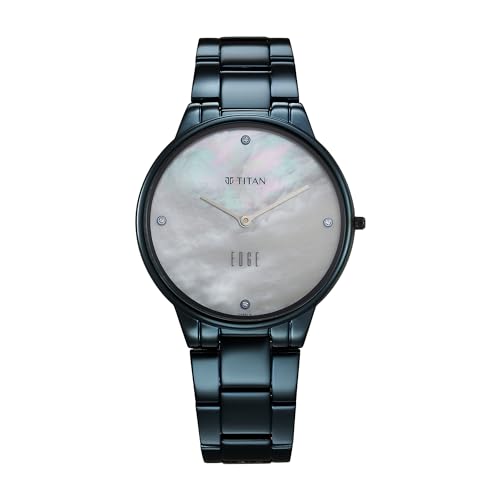
- Slim Edge Case: Ultra-thin profile for a refined and lightweight wear experience.
- Mother-of-Pearl Dial: Natural shimmer and organic texture elevate the dial’s elegance.
- Minimalist Crystal Indices: Four precisely placed crystal hour markers add understated sparkle.

- Discover timeless elegance with the Sonata Poze Drop 6 collection a stunning range of men’s and women’s watches crafted …
- Quartz Movement: This timepiece is equipped with a high-precision quartz movement, powered by a long-lasting battery. Th…
- Durable Mineral Crystal: Made from glass and protects watch from scratches.

Amazon and the Amazon logo are trademarks of Amazon.com, Inc, or its affiliates.
1 thought on “Mutual Fund Industry in India: 300 Trillion by 2035”