As an Amazon Associate I earn from qualifying purchases.
Introduction: A Perfect Storm in Geopolitics and Financial Markets
- Introduction: A Perfect Storm in Geopolitics and Financial Markets
- The NASDAQ Plummets: Understanding the Market Reaction
- Gold and Silver: Precious Metals Take a Hit
- The Broader Impact: Copper's Decline and Market Sentiment
- Cryptocurrency Reactions: Bitcoin and Ethereum's Volatile Shift
- European Markets and Asian Indices: Global Ripple Effects
- The Threat of a US Government Shutdown: Implications for Investors
- Brent Crude Oil Prices: A New Surge in Global Energy Markets
- Conclusion: Navigating the Financial Landscape amid Uncertainty
The geopolitical landscape surrounding US-Iran relations has intensified significantly, leading many analysts to ponder whether the US-Iran war is imminent. The recent actions and statements from political leaders, notably former President Trump, who has boldly threatened Iran with major destruction, have escalated the tension to unprecedented levels. Coupled with this, concerns regarding Iran’s nuclear ambitions have resurged. Trump’s warnings that time is running out for a nuclear deal have left the diplomatic community on edge, further complicating an already volatile situation.
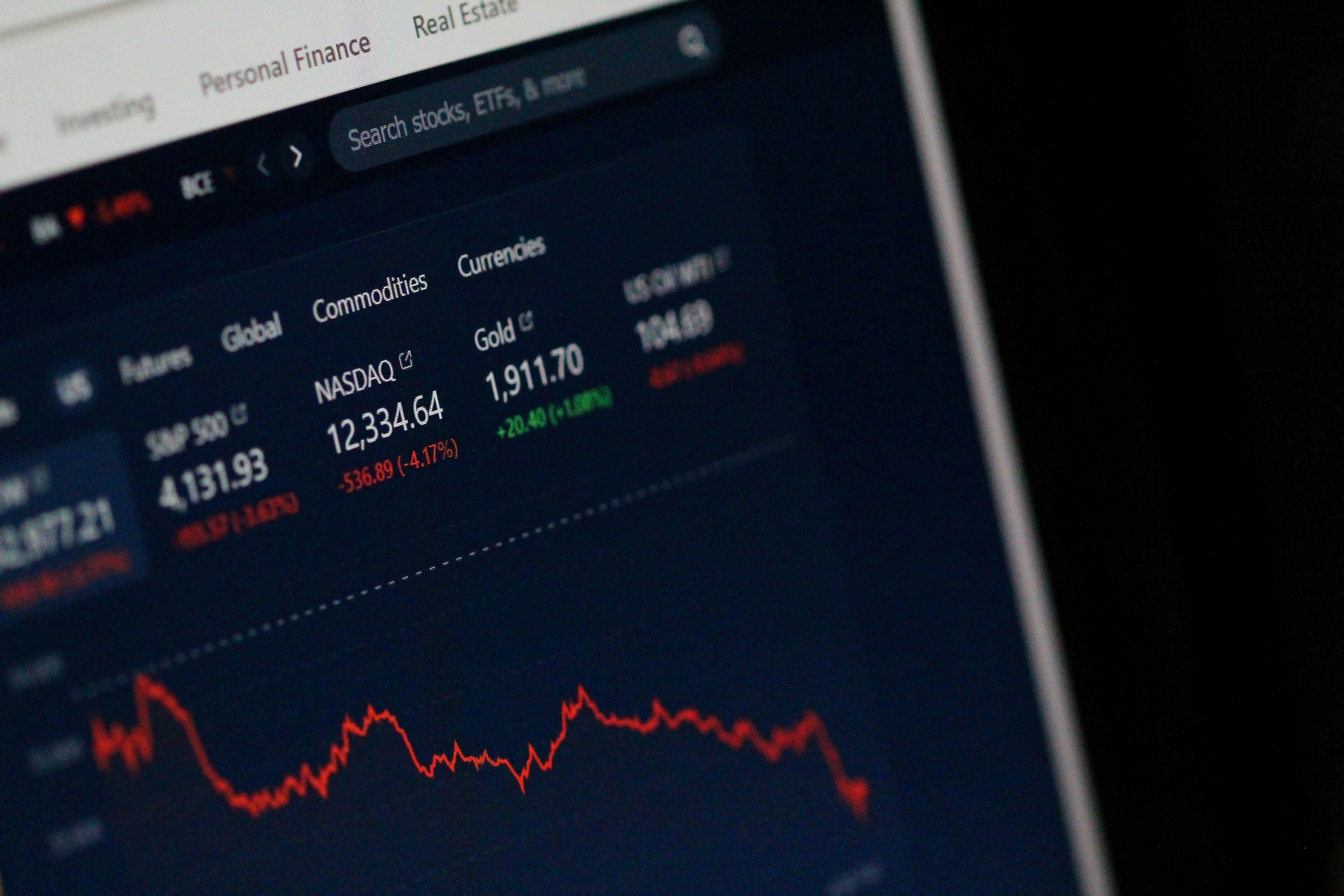
Simultaneously, the financial markets are reacting to these developments with substantial uncertainty. Reports indicate that the Nasdaq fell more than 2% amidst fears of potential military conflict, which could disrupt global trade and economic stability. Market participants are deeply wary of the implications should hostilities escalate, as evidenced by the drop in commodity prices. Gold and silver prices fell, indicating a shift in safe-haven demand, while copper crashed, reflecting concerns about economic growth. This has resulted in notable declines across various asset classes, including a 5.5% dip in Bitcoin and a significant fall in Ethereum.
The effects are not limited to cryptocurrencies; traditional markets are also feeling the strain. Germany’s market experienced a 2% downturn, while a notable decline was seen on the Nifty index, which fell 200 points. Adding to this turbulent environment is the looming American government shutdown, which threatens to exacerbate economic concerns. Moreover, Brent crude has crossed $70 per barrel, raising questions about energy stability in an already precarious situation. These developments highlight the intricate relationship between geopolitical events and market dynamics, emphasizing the need for vigilance in monitoring further changes as the world grapples with these escalating tensions.
The NASDAQ Plummets: Understanding the Market Reaction
Recently, the NASDAQ index has experienced a notable decline, falling more than 2%. This drop can be attributed to a combination of geopolitical tensions, specifically the ongoing threats related to Iran, as well as economic signals emanating from the Federal Reserve. Investor sentiment has turned increasingly wary amid fears that the US-Iran war is imminent, leading to a ripple effect across various markets.
The significance of geopolitical events cannot be understated. For instance, President Trump has openly threatened Iran with major destruction, amplifying fears of conflict. Such rhetoric has triggered uncertainty among investors, prompting them to reassess their portfolios in light of potential military escalation. This anxiety has been reflected not only in the NASDAQ’s performance but also in the overall market downturn, as evidenced by the declining values of both gold and silver prices, which typically thrive during times of uncertainty.
- SoH Crisis and the U.S. Tariff—All You Need To Know!
- New Found Gold – Hammerdown & the Path to Production – Edited Transcript
- Expanded 90,000-Meter Drill Program Backs Growth Case—Full Transcript: All You Need to Know!
- HDFC Bank Shares Fall: All You Need to Know!
- CNBC – ExxonMobil CEO Darren W. Woods on Q1 Results Transcript – All You Need To Know!
Furthermore, the recent crash in copper prices and the fall of Bitcoin by 5.5%, along with Ethereum’s decline, signal that investors are seeking refuge in traditional safe-haven assets, further impacting technology stocks within the NASDAQ. The link between geopolitical tensions and market dynamics is palpable, especially when combined with news of the American economy nearing a shutdown, which could strain market stability even further.
As the situation evolves, it remains essential for market participants to stay informed about the implications of these potential conflicts. The increasing volatility in the NASDAQ can be partially attributed to the perception that the US-Iran war is imminent, leading investors to navigate an unpredictable landscape with caution. Overall, the conditions in the market, coupled with the looming threat of conflict, raise significant concerns regarding future economic performance.
Gold and Silver: Precious Metals Take a Hit
In recent trading sessions, gold and silver prices have declined significantly, raising concerns among investors amid heightened geopolitical tensions, particularly regarding whether the US-Iran war is imminent. Gold has notably dropped by around $400, while silver prices have plummeted by approximately 15% on the Multi-Commodity Exchange (MCX). This substantial decrease in precious metals is indicative of the shifting market dynamics that often occur in times of crisis.


Several factors contribute to the downward trend in gold and silver prices. As investors react to increasing volatility in the markets, marked by the falling NASDAQ—which saw a decline of more than 2%—and the overall drop in markets worldwide, including the German market down by 2%, a cautious sentiment prevails. The recent crashes in copper and precious metals, coupled with Bitcoin falling by 5.5%, reflect a broader retrenchment across various sectors. Additionally, Brent crude oil prices crossing $70 per barrel have added further pressure on inflation expectations, influencing investment strategies.
Moreover, external pressures such as threats from former President Trump against Iran and escalating tensions over Iran’s nuclear deal have led many to reconsider their positions in safe-haven assets. Historically, gold and silver are perceived as safe bets during periods of uncertainty; however, current trends indicate a departure from this norm, with assets like the Gift Nifty falling by 200 points as investors realign their portfolios to manage risk. The ongoing speculation about whether the US-Iran war is imminent may also contribute to traders’ reevaluation of precious metals.
This shift in market sentiment underscores the intricacies involved in investment decisions as the relationship between geopolitical tensions and market dynamics continues to evolve. Ultimately, while gold and silver have traditionally been seen as safe havens, the current trends suggest that investors are adapting to rapidly changing conditions.
The Broader Impact: Copper’s Decline and Market Sentiment
The ongoing tensions between the United States and Iran have ignited fears across various sectors, particularly in the commodities markets. One notable reaction is the alarming decline in copper prices, which is often seen as a barometer for global economic health and industrial demand. As the specter of potential conflict looms—especially with statements from President Trump warning Iran that time is running out for a nuclear deal—investor sentiment tends to sway towards caution. This shift is evident in the way commodities like copper are being traded.

Industrial metals such as copper typically react sensitively to geopolitical tensions, as they are heavily influenced by expected demand from key sectors like construction and manufacturing. The question of whether the US-Iran war is imminent garners significant attention from investors, leading to volatile market conditions. Recent reports indicating that copper crashed may suggest that traders are bracing for a significant downturn in demand, should political instability lead to broader economic consequences.
As the Nasdaq fell more than 2% and gold and silver prices fluctuated, the sentiment among traders mirrored a growing apprehension about economic pressures tied to geopolitical unrest. The analogy extends to other market indicators, with a shaky outlook reflected in the performance of commodities, exacerbated by concerns of American financial implications resulting from a potential government shutdown and the reemerging AI bubble burst. The context has seen Brent crude cross $70 per barrel, evidencing anxiety about supply chains and energy demands amid tensions.
In this environment, as the German market dipped 2% and the Gift Nifty fell by 200 points, the copper market also experienced notable declines. Potential conflicts often precipitate a retreat into safer assets, complicating the market action for volatile industrial metals. Thus, the chilling effect of the US-Iran tensions prompts a reevaluation of the demand outlook, with traders increasingly factoring in the risk of significant geopolitical events leading to substantial market implications.
Cryptocurrency Reactions: Bitcoin and Ethereum’s Volatile Shift
In times of geopolitical uncertainty, such as the rising tensions between the United States and Iran, the financial markets often respond unpredictably. Recent events, particularly President Trump’s threats against Iran regarding its nuclear program, have heightened concerns about the potential for conflict, leading to considerable market volatility. This situation particularly affects the cryptocurrency sector, with Bitcoin and Ethereum frequently showing significant fluctuations during these periods of uncertainty.
Bitcoin, the leading cryptocurrency, experienced a notable decline of 5.5% recently, exacerbating concerns among investors about the state of the market. Similarly, Ethereum has also faced downward pressure, reflecting the broader sentiment in the crypto space. The volatility observed in these digital assets highlights their willingness to react sharply to global events, which can be perceived as risk-averse behavior among traditional investors. As other markets, such as the NASDAQ which fell more than 2%, faced similar downward trends, cryptocurrencies followed suit, indicating that risk aversion plays a critical role.
The unpredictable nature of cryptocurrencies can be attributed to several factors, including their relatively nascent stage in the financial landscape and the speculative behavior of investors. Given that global markets such as Germany’s and the Gift Nifty have slumped, contributing to a general climate of uncertainty, it is evident that cryptocurrencies are not immune to these influences. As Brent crude crossed $70 per barrel and concerns about a possible American shutdown loomed, the reaction in the cryptocurrency markets became even more pronounced.
Ultimately, during times like these, when threats of a US-Iran war loom large, the question remains: how will Bitcoin and Ethereum adapt moving forward? Investors must remain vigilant as market conditions evolve, mindful of the potential for further declines in cryptocurrency valuations, which are significantly more volatile when compared to traditional assets. The next steps for these digital currencies will largely depend on the unfolding geopolitical landscape and domestic market responses.
European Markets and Asian Indices: Global Ripple Effects
Tensions between the United States and Iran have left investors in worldwide markets on edge, offering a stark reminder of the economic interdependencies that define today’s global financial landscape. With the looming question of whether the US-Iran war is imminent, European and Asian markets have shown considerable volatility as a reaction to these geopolitical uncertainties. Reports of President Trump threatening Iran with “major destruction” and warnings that “time is running out for the nuclear deal” have intensified market fluctuations, reflecting fears of potential military engagement that could disrupt oil supply and further destabilize the region.
In Europe, the Euro Stoxx index reflects the apprehension with its performance affected by the negative sentiments arising from the conflict. The index has experienced fluctuations, mirroring the volatility seen in the US markets, which have been driven by speculation about potential military action and its repercussions. For example, the appearance of higher Brent crude prices crossing $70 per barrel has put additional strain on European economies traditionally reliant on energy imports.
Asian markets have not been spared from the fallout either. The GIFT Nifty index faced a notable dip, falling 200 points as investors reacted to the uncertainties surrounding US-Iran relations. The wider impacts are illustrated by Chinese markets, which saw a decreasing trend with indices reflecting a cautious approach due to fears of escalating tensions leading to a prolonged conflict. Additionally, cryptocurrencies such as Bitcoin fell 5.5%, along with Ethereum’s decline, as investors sought safer assets amid fears of instability.
Overall, the ripple effects of potential US-Iran conflict continue to resonate in financial markets across Europe and Asia, underscoring the interconnectedness of global economies, especially in times of geopolitical tensions.
The Threat of a US Government Shutdown: Implications for Investors
The prospect of a US government shutdown looms large as political tensions escalate. With key negotiations on budget agreements at an impasse, anxiety levels among investors are rising. The uncertainty surrounding the federal government’s operations not only stifles confidence but also leaves markets vulnerable to volatility. As the conversations about potential government shutdowns intensify, investors remain wary of the implications it may have on various sectors.
In recent discussions, Jerome Powell, the Federal Reserve Chairman, reaffirmed the intention to maintain a steady approach toward interest rates, despite external pressures. This determination comes amidst a backdrop of increasing concerns about economic stability, especially as economic growth rates have shown signs of deceleration. The fear that a government shutdown could exacerbate this situation adds to the existing market instability.
Various assets have reacted adversely to these developments. For instance, on the backdrop of a threatening government shutdown, the Nasdaq fell more than 2%, reflecting a cautious sentiment among technology investors. Furthermore, precious metals such as gold and silver prices fell as uncertainty surrounding fiscal policy continues to plague investor confidence. Copper also faced a significant decline, prompting concerns over industrial demand, particularly amidst economic discontent.
The interconnectedness of geopolitical tensions, including uncertain relations with Iran, only complicates matters further. As Trump threatens Iran with major destruction, market anxieties deepen, with discussions about whether the US-Iran war is imminent. Meanwhile, with Brent crude crossing $70 per barrel, investors are reviewing their positions amid fears of increased global instability.
As the potential for a US government shutdown looms, the market is left to grapple with these factors, which could ultimately shift investor sentiment significantly. Understanding these dynamics will be crucial for investors aiming to navigate the expected turbulence in the coming weeks.
Brent Crude Oil Prices: A New Surge in Global Energy Markets
Recently, Brent crude oil prices have experienced a notable increase, crossing the $70 per barrel mark. This surge is a significant development in global energy markets and holds particular implications for oil-importing countries, including India, which relies heavily on energy imports to fuel its economy. The rise in oil prices can be attributed to several interrelated factors, including geopolitical tensions, disruptions in supply chains, and seasonal demand fluctuations.
The ongoing threats from the United States to Iran, particularly in the context of Trump’s warnings that time is running out for a nuclear deal, have heightened concerns over the stability of oil supplies from the Middle East, a crucial region for the global energy market. As such, investors are increasingly wary of potential conflicts, raising the question: is the US-Iran war imminent? This concern has driven oil prices up as traders speculate on the possible fallout of heightened tensions that could disrupt supply lines.
The implications of rising oil prices extend beyond the immediate concerns of supply disruptions. Importers like India face increased costs, which can lead to inflationary pressures and negatively impact economic growth. In recent weeks, the economic landscape has been volatile; alongside the rise in oil prices, the Nasdaq fell more than 2%, gold and silver prices also dropped, and copper experienced a significant crash. Such fluctuations are indicative of a fragile market environment, where investor confidence is challenged by uncertainties, including the recent American government shutdown considerations and the AI bubble burst.
Moreover, the combination of rising Brent crude prices with a broader market decline—Germany’s market down 2% and the Gift Nifty fell 200 points—paints a concerning picture for economies heavily dependent on oil imports. As Brent crude remains above $70, the urgency for these economies to adapt to changing market conditions has never been more critical. Their response strategies will determine how they navigate the ongoing volatility amidst looming geopolitical uncertainties.
Conclusion: Navigating the Financial Landscape amid Uncertainty
The intersection of geopolitical tensions and market dynamics presents a complex landscape for investors. Recent events, such as Trump’s threats against Iran and the potential ramifications of a nuclear deal collapse, underscore the possibility that the question, “is the US-Iran war imminent?” might soon transition from speculation to reality. Such a conflict could have widespread repercussions, notably causing fluctuations in global markets.
Market responses are immediate and often volatile. For instance, the recent dip in the Nasdaq, which fell more than 2%, alongside the declines in gold and silver prices, signals an environment of uncertainty and investor anxiety. Notably, the steep drop in copper values and the 5.5% decrease in Bitcoin reflect a broader risk-off sentiment among traders. These shifts are not isolated; they are indicative of a cautious approach taken by investors as they navigate potential disruptions due to geopolitical factors.
Adding to this volatility is the ongoing concern regarding the American government facing a possible shutdown. As federal activities continue to come under threat, the stability of the economy becomes further in question, influencing investment decisions. Furthermore, the international markets have also been affected, with the German market down 2% and Gift Nifty falling 200 points, contributing to an atmosphere of reluctance in investing.
As Brent crude oil prices have crossed $70 per barrel, a surge often indicative of geopolitical instability, it becomes evident how these variables tighten the noose around many investors. In such uncertain times, stakeholders must remain informed about the geopolitical landscape that can markedly influence financial markets.
In conclusion, understanding the interconnectedness of current events, such as the potential for conflict with Iran, shifts in commodity prices, and their implications for investment strategies, becomes essential as we navigate these turbulent times.

- ADVANCED NEGATIVE ION AIR PURIFICATION— This wearable air purifier emits more than 30 million negative ions/cm³. It effe…
- LONG BATTERY LIFE, NO FILTERS NEEDED— With a large-capacity 200mAh rechargeable battery, this rechargeable air cleaner c…
- SILENT OPERATION— Breathe easily with noise-free air purification from this mini air purifier without the sound of a fan…

- 【Long Life Span, Rechargeable Design】: Birdline rechargeable led gloves are designed to provide customers with a better …
- 【Long Life Span, Rechargeable Design】: Birdline rechargeable led gloves are designed to provide customers with a better …
- 【Great Gadgets in The Dark】: Birdline fingerless design LED glove charging method is upgraded to USB BIRDLINE, which can…

- SoH Crisis and the U.S. Tariff—All You Need To Know!
- New Found Gold – Hammerdown & the Path to Production – Edited Transcript
- Expanded 90,000-Meter Drill Program Backs Growth Case—Full Transcript: All You Need to Know!
- HDFC Bank Shares Fall: All You Need to Know!
- CNBC – ExxonMobil CEO Darren W. Woods on Q1 Results Transcript – All You Need To Know!
Amazon and the Amazon logo are trademarks of Amazon.com, Inc, or its affiliates.
1 thought on “Is a US-Iran War Imminent? See Market Reactions”