As an Amazon Associate I earn from qualifying purchases.
Understanding Swing Trading: A Comprehensive Overview
- Understanding Swing Trading: A Comprehensive Overview
- Why You Should Consider Swing Trading
- Strategies to Boost Your Income with Swing Trading
- Evaluating Swing Trading as a Business Opportunity
- Minimum Capital Requirements for Swing Trading
- Key Risks and Challenges in Swing Trading
- Success Stories: Real-Life Examples of Swing Trading
- Getting Started: Tips for Aspiring Swing Traders
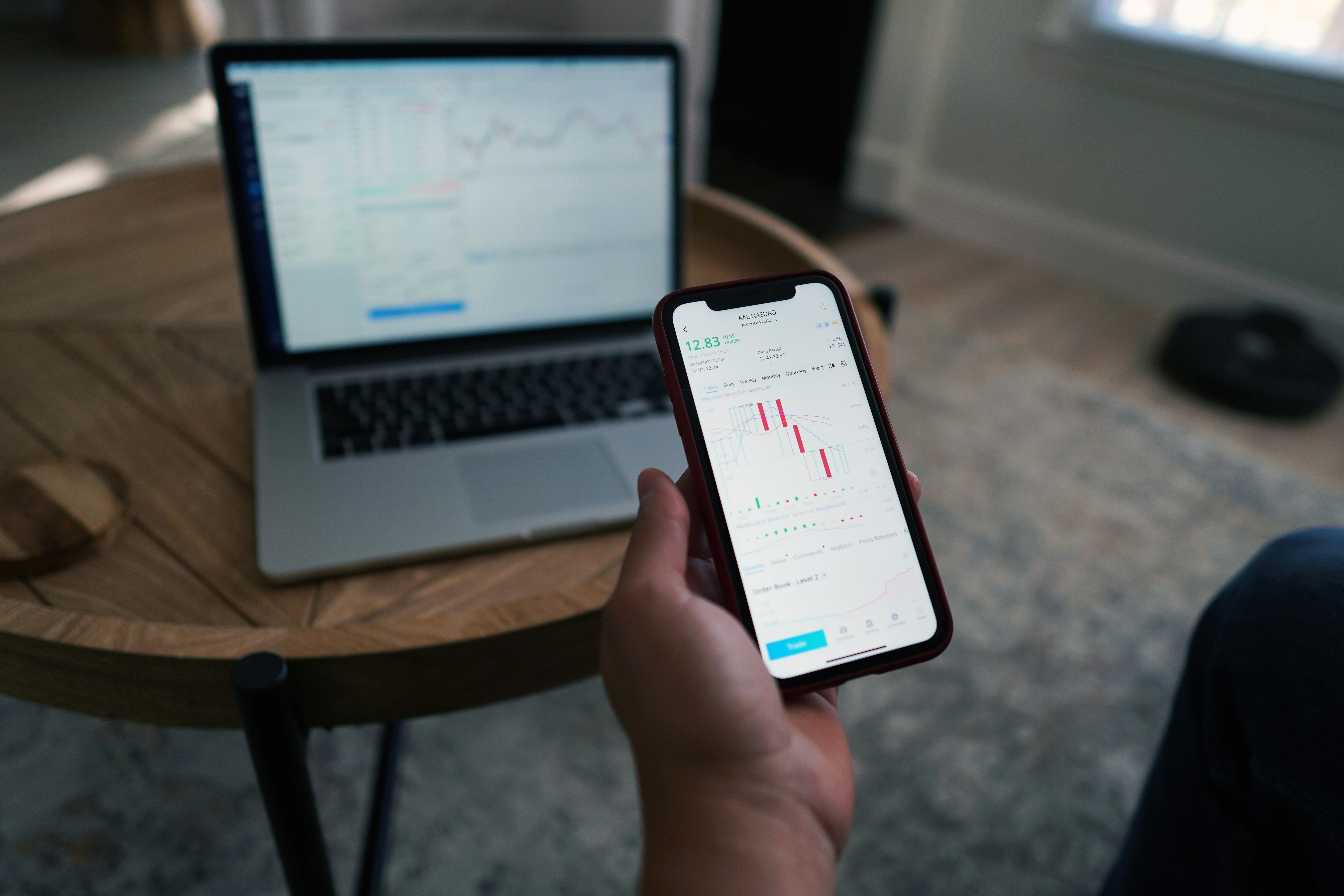
Swing trading is a dynamic trading strategy that targets short to medium-term price movements in the financial markets. Unlike day trading, which focuses on making quick profits from stocks or foreign exchange (forex) over a single trading day, swing trading allows traders to hold positions for several days or weeks. This approach is well-suited for those who cannot dedicate all their time to monitoring market fluctuations throughout the day.
One of the fundamental principles of swing trading is the identification of price swings within a trend. Traders use various technical analysis tools and indicators to locate potential entry and exit points aims to capitalize on these price fluctuations. By taking advantage of momentum, swing traders aim to buy low and sell high, often utilizing a combination of fundamental and technical analysis.
Typically, a swing trader will use a timeframe ranging from one day to several weeks, focusing on chart patterns that typically last from a few days to a few weeks. This differentiates it from long-term investing, which often entails holding assets for months or years based on fundamental value. Swing trading provides a balance between quick profits and in-depth analysis, making it a practical approach for investors looking to diversify their strategy.
- SoH Crisis and the U.S. Tariff—All You Need To Know!
- New Found Gold – Hammerdown & the Path to Production – Edited Transcript
- Expanded 90,000-Meter Drill Program Backs Growth Case—Full Transcript: All You Need to Know!
- HDFC Bank Shares Fall: All You Need to Know!
- CNBC – ExxonMobil CEO Darren W. Woods on Q1 Results Transcript – All You Need To Know!
The goals of swing trading often vary, but they primarily focus on capturing short-term gains while managing risk effectively. This highlights the importance of swing trade in this day and age, as it underscores not only the potential for income enhancement but also the flexibility it offers to traders with varying schedules and commitments. Understanding how to boost your income using swing trading can be a game-changer in the modern financial landscape.
By acknowledging the nuances of swing trading, traders can clearly see its advantages and how it serves as a solid alternative to more traditional trading tactics. In recognizing the differences between swing trading, day trading, and long-term investing, individuals can better assess their risk tolerance, time commitment, and financial goals.
In recent years, swing trading has surged in popularity among investors, largely due to the inherent characteristics of today’s financial markets. The importance of swing trading in this day and age can be attributed to several factors, including market volatility, the rapid flow of information, and the accessibility of trading platforms.
Market volatility has become a defining feature of today’s economy, influenced by global events, geopolitical tensions, and economic policy changes. This unpredictability creates opportunities for swing traders to capitalize on price movements over short to medium-term periods. As the market fluctuates, the ability to make quick trading decisions is often paramount, making swing trading a timely and relevant strategy for many investors.
Furthermore, the rapid information flow facilitated by technology has transformed how retail traders operate. With access to real-time data, financial news, and analysis, traders can make informed decisions more efficiently than ever. The rise of social trading platforms has also democratized trading, allowing novice investors to learn from experienced traders and engage in swing trading more readily.
Moreover, the increasing number of accessible trading platforms has lowered the barrier to entry for potential traders. Many platforms offer user-friendly interfaces and low minimum capital for swing trading, allowing individuals to get started with relatively small investments. The concept of swing trading is synonymous with flexibility and adaptability, appealing to diverse trading styles and risk appetites.



As a result of these dynamics, swing trading has emerged as an attractive option for those looking to boost their income using swing trading strategies. The growing community of retail traders and the vast array of available resources further emphasize why you should give swing trading a try. Overall, the present financial landscape supports the notion that swing trading represents a viable investment approach for both growth-oriented and risk-aware individuals.
Why You Should Consider Swing Trading
Swing trading has emerged as a formidable approach to financial trading in recent years, capturing the interest of both novice and seasoned traders alike. One of the key benefits of swing trading is its potential for profitability. By leveraging short to medium-term price movements, traders can capitalize on market volatility. This makes swing trading an attractive option if you are looking to boost your income, as it allows for more frequent trading compared to long-term strategies.
Flexibility is another major advantage of swing trading. Unlike day trading that requires constant market monitoring throughout the day, swing trading enables individuals to hold positions for several days or weeks. This flexibility accommodates those who are engaged in other commitments, making it a suitable strategy for part-time traders. It opens avenues for individuals who cannot dedicate full-time hours but still want to actively participate in the market.
Check this article about positional trading?
Additionally, swing trading presents a balanced risk-reward scenario. While every form of trading carries inherent risks, swing trading allows for better risk management. Traders can employ stop-loss orders to mitigate potential losses and set profit targets to ensure gains are realized. This dual approach helps in creating a strategic balance, making swing trading potentially less stressful and more manageable for those just starting out.
In this day and age, where financial markets are influenced by various global events, understanding the importance of swing trade is paramount. Utilizing swing trading strategies can enhance your trading experience and offer a pathway to financial growth. By considering the factors mentioned, you can better understand why swing trading is worth your consideration. The minimum capital for swing trading is generally more accessible compared to other trading styles, making it an even more appealing option for many traders.
Strategies to Boost Your Income with Swing Trading
Swing trading offers a flexible approach that can enhance your income potential in the financial market. Recognizing the importance of swing trade in this day and age, especially in a volatile economic environment, is crucial for traders looking to optimize their strategies. Below are key approaches that can help maximize your income through swing trading.
Firstly, understanding technical analysis is paramount. By studying price movements, chart patterns, and trading volume, traders can identify potential entry and exit points more effectively. Thankfully, a variety of tools and resources are available that assist traders, enabling them to predict market fluctuations that influence their swing trades. Hence, learning and applying technical analysis can substantially enhance the chances of profitable trades.
Another integral factor in swing trading is the use of stop-loss orders. These orders allow traders to set a predefined price at which their positions will be automatically sold, thereby minimizing potential losses. Utilizing stop-loss orders not only protects capital but also promotes disciplined trading practices, which can significantly impact overall performance. Adopting a consistent structure in managing risks is essential when evaluating is swing trading a good business?.
Furthermore, discipline and consistency in your trading plan cannot be overstated. Establishing a clear plan with measurable goals will keep you focused, prevent emotional trading, and enhance decision-making. Traders who adhere to their plans tend to have better outcomes and can effectively capitalize on short-term opportunities.
In essence, swing trading necessitates a strategic mindset, technical proficiency, and steadfast discipline. For those contemplating the minimum capital for swing trading, it is important to remember that success typically results from a blend of these approaches, making it a viable option for anyone seeking to diversify their income sources. With dedicated practice and the right strategies, it is certainly worth considering why you should give swing trading a try.
Evaluating Swing Trading as a Business Opportunity
Swing trading has gained traction as a viable business opportunity for many traders in recent years. With the increasing accessibility of financial markets, individuals are often curious about the importance of swing trade in this day and age, and whether it can provide them with a sustainable income. This trading style allows participants to capitalize on price fluctuations over a short to medium-term timeframe, which can result in profitable returns if executed correctly.
One of the primary advantages of swing trading is the flexibility it offers in managing trading activities. Unlike day trading, which requires constant monitoring of the markets, swing trading can fit into the schedules of those who have other commitments. As a result, many individuals inquire, why should you give swing trading a try? The answer often lies in the potential income opportunities it presents. Successful swing traders can earn significant returns, making it an appealing venture for entrepreneurial individuals.
However, to excel in swing trading, a specific set of skills is needed. These skills include technical analysis, risk management, and a solid understanding of market fundamentals. Moreover, a trader’s mindset plays a crucial role in determining their success. Emotional resilience, discipline, and the ability to make informed decisions under pressure are integral components for individuals pursuing this trading style.
Furthermore, potential traders must consider the minimum capital for swing trading. This capital varies and influences the types of trades and markets one can engage in. By understanding their financial situation and incorporating proper risk management strategies, aspiring swing traders can capitalize on their opportunities. Overall, evaluating swing trading as a business opportunity involves understanding both the benefits and responsibilities that come with it.
Minimum Capital Requirements for Swing Trading
When considering the importance of swing trade in this day and age, it is essential to evaluate the minimum capital required to initiate such trades successfully. Swing trading typically involves holding positions for several days to weeks, and thus requires a sufficient initial investment to optimize potential gains while managing risks effectively.
The minimum capital for swing trading can vary significantly based on the specific brokerage and the trading strategies you intend to employ. Generally, starting with at least $1,000 is advisable for swing traders. This baseline allows you to manage a diversified portfolio without excessive exposure to any single trade. However, some brokers may have higher deposit requirements, thus it is crucial to do thorough research on different brokerage options to find one that suits your financial capacity.
Moreover, an important aspect to consider is that many brokers extend leverage options for traders, thereby allowing you to control larger positions with less capital upfront. While leverage can enhance profit potential, it is vital to approach it with caution, as it also amplifies losses. Therefore, understanding the risks associated with high leverage is essential for anyone looking into why they should give swing trading a try.
As you become more experienced and confident in your trading strategies, it is generally advisable to scale up your investments over time. This process can involve setting realistic financial goals and gradually increasing your capital allocation to swing trading based on your successes and refinements in your trading strategies.
In conclusion, by understanding the minimum capital requirements and the associated responsibilities of swing trading, potential traders can better position themselves for success in this dynamic financial landscape.
Key Risks and Challenges in Swing Trading
Swing trading, while a potentially lucrative strategy for enhancing your financial portfolio, is not without its risks and challenges. A primary concern is market risk, which refers to the potential for losses due to fluctuations in market prices. These swings can be unpredictable, influenced by various factors such as economic indicators, geopolitical events, and market sentiment. Understanding the volatility inherent in swing trading is crucial for adapting your strategies effectively in this day and age.
Emotional challenges are another significant hurdle that swing traders may face. The stress of market fluctuations can affect decision-making abilities, often leading to emotional trading rather than rational, strategy-based choices. Consequently, traders might find themselves executing trades based on fear or greed rather than sound analysis. This can undermine the importance of swing trading as a disciplined approach to investing and may lead to significant financial losses over time. Developing emotional resilience is vital to combat these challenges.
Furthermore, poor decision-making can stem from a lack of proper planning or inadequate research before entering a trade. The mistake of entering a position without a clear plan, or exiting prematurely due to fear of losses, can severely impact your swing trading success. Establishing a robust trading plan that includes entry and exit criteria, alongside risk management strategies, is essential for mitigating these risks. Investors must focus on understanding the minimum capital required for swing trading and set realistic expectations based on market conditions.
Lastly, continuous education about the swings in the market and regularly reviewing your trading performance can greatly aid in overcoming these challenges. In conclusion, though the path may be fraught with risks, the rewards of swing trading can be substantial for those who approach it with the right mindset and strategies.
Success Stories: Real-Life Examples of Swing Trading
Swing trading has become increasingly popular due to its potential for profitability in shorter timeframes compared to traditional investing. Numerous individuals have harnessed this strategy to improve their financial standing, demonstrating the importance of swing trade in this day and age. One compelling success story comes from a former schoolteacher who decided to invest her savings by learning about the intricacies of swing trading. Through diligent research and practice, she developed a system that allowed her to enter and exit trades based on market fluctuations. Within a year, she was able to augment her income significantly, often pulling gains that surpassed her monthly salary.
Another inspiring example is that of a young professional who utilized swing trading as a supplemental income source. Initially skeptical about its viability, he was encouraged by friends who had already benefited from the practice. After committing to educate himself on the strategies and required market analysis, he began executing trades with a modest minimum capital for swing trading. Over time, he honed his skills, adapting his strategies to the market’s ebb and flow, ultimately transitioning from part-time trading to a full-fledged career in the financial markets.
These stories illustrate not just the potential financial rewards but also the personal growth that can accompany successful trading endeavors. As more individuals recognize the flexibility that swing trading offers, paired with the ability to engage actively with their investments, the buzz surrounding this practice grows. New traders can leverage these experiences to understand better why they should give swing trading a try and how to boost their income using this adaptable strategy. As these real-life examples show, with dedication and the right approach, anyone can turn swing trading into a profitable venture.
Getting Started: Tips for Aspiring Swing Traders
Embarking on the journey of swing trading can be both exciting and daunting. To navigate this landscape successfully, aspiring traders must arm themselves with the right tools, resources, and mindset. First and foremost, understanding the importance of swing trade in this day and age is crucial. Swing trading offers unique opportunities to capitalize on short- to medium-term price movements, making it a viable option for those looking to diversify their income streams.
One of the most effective ways to begin is by utilizing well-regarded trading platforms that offer robust charting tools and analytical resources. Many traders recommend platforms such as TradingView or TD Ameritrade, which cater to both novices and experienced traders. These platforms allow users to access market data and technical indicators essential for making informed decisions in swing trading.
Additionally, investing time in learning the fundamentals of swing trading can significantly enhance your chances of success. Numerous online courses, webinars, and educational materials are available, offering guidance on key concepts such as trend analysis, entry and exit strategies, and risk management. Engaging with a community of fellow traders, whether through forums or social media groups, can provide valuable insights and support as you hone your skills.
When considering swing trading, a common question arises: is swing trading a good business? This largely depends on your commitment level and willingness to adapt your strategies based on market conditions. Understand that swing trading requires a minimum capital investment, and it is essential to determine how much you are willing to risk while being prepared for potential losses. Establishing clear, realistic goals can provide a framework for your trading strategy.

- ✅ 70H Long Playtime Bluetooth Earbuds: GOBOULT Raven in-ear TWS earbuds deliver up to 70 hours of total playtime, ideal …
- ✅ GOBOULT App Supported Wireless Earbuds: Customize sound profiles, control features, and enhance your audio experience …
- ✅ Dual Device Pairing TWS Earbuds: Connect Raven true wireless earbuds to two devices simultaneously and switch seamless…

- 50 dB Hybrid Active Noise Cancellation: Tune out the chaos and dive into pure sound with up to 50 dB Hybrid Active Noise…
- SONIC A.R.C. (Advanced Rotational Crown): Take control with ease! Rotate the smooth crown on the case clockwise to crank…
- Actionable LEDs: Stay visually informed with the dynamic ring LED on the case that lights up when managing playback & ca…

- ✅ 60 Hours Playtime: Immerse in an exceptional 60 hours of continuous music, cinema and gaming. Redefining wireless earb…
- ✅ Zen Quad Mic ENC: Seamless communication with 4 advanced Environmental Noise Cancellation microphones guarantees cryst…
- ✅ 45ms Low Latency Gaming: Elevate your gaming experience with ultra-low 45ms latency, providing real-time audio synchro…
As you venture into swing trading, remember to remain disciplined and patient. Adopting a consistent trading routine and regularly reviewing your performance can help you refine your approach. By leveraging the importance of swing trading and implementing best practices, you can gradually boost your income using swing trading and unlock your financial potential.
Amazon and the Amazon logo are trademarks of Amazon.com, Inc, or its affiliates.
1 thought on “The Power of Swing Trading: A Powerful Business”