As an Amazon Associate I earn from qualifying purchases.
US-Venezuela Oil Conflict Overview
The US-Venezuela oil conflict escalated on January 3, 2026, when US forces captured Venezuelan President Nicolás Maduro in a raid on Caracas, citing drug trafficking charges. Venezuela holds the world’s largest proven oil reserves at over 300 billion barrels, surpassing Saudi Arabia’s 267 billion barrels, making oil control a key factor in the US action. This US-Venezuela oil conflict has triggered safe-haven buying in gold, with prices hitting one-week highs, while crude oil faces volatility from potential supply disruptions.
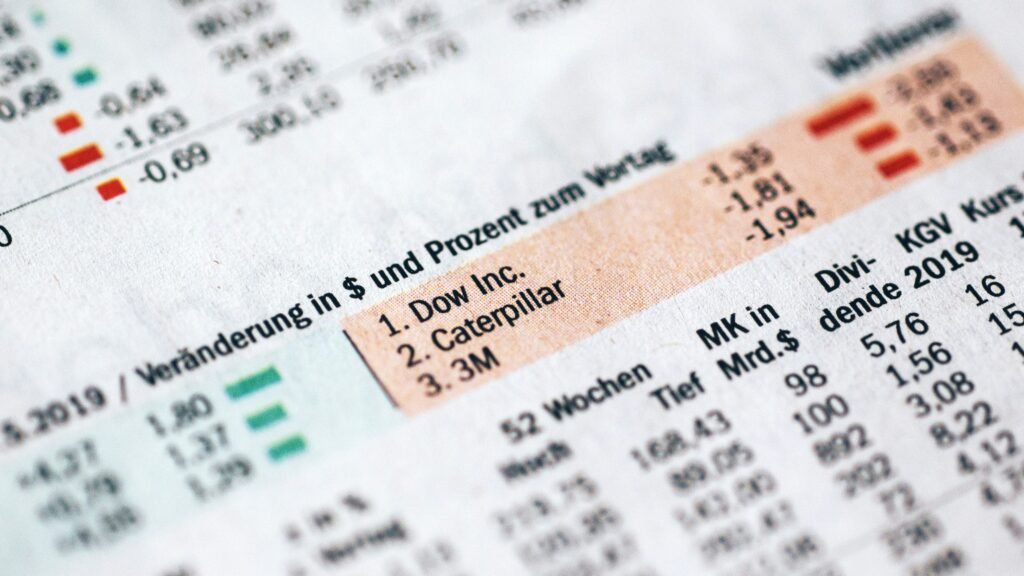
India imports less than 1% of its oil from Venezuela, primarily sourcing from Russia (33.7%) and Iraq, shielding it from direct short-term supply shocks in the US-Venezuela oil conflict. Small caps and micro caps outperformed larger indices today, gaining amid the broader market dip, as did gold-related stocks that cushioned portfolios during the US-Venezuela oil conflict volatility.
Indian Market Reaction to US-Venezuela Oil Conflict
The Sensex closed down 0.38% at around 84,000 levels, reflecting caution due to the US-Venezuela oil conflict, with the Nifty slipping 0.30% to near 26,200. Bears gained support as Foreign Portfolio Investors (FPIs) continued to withdraw funds, pulling out Rs 7,608 crore in early January 2026, extending the Rs 1.66 lakh crore sell-off in 2025 driven by trade worries. The US-Venezuela oil conflict amplified uncertainty, but domestic retail flows and a strong earnings outlook limited deeper corrections.
Small companies shone relatively, with Nifty SmallCap 100 up 0.30% at open, showing resilience in the US-Venezuela oil conflict environment, where microcaps often weather geopolitical storms better due to domestic focus. Gold stocks rallied as safe havens, with prices surging on risk aversion from the US-Venezuela oil conflict.


Long-Term Threats from US-Venezuela Oil Conflict
While the short-term US-Venezuela oil conflict impact stays contained, long-term pressures mount via US indirect tactics. President Trump, after the Venezuela raid, issued fresh warnings to India over Russian oil buys, threatening swift tariff hikes beyond current 50% levels if purchases continue. No other nation faces such high tariffs despite China importing more Russian oil; India is uniquely targeted in this US-Venezuela oil conflict spillover.
Trump revealed India sought relief from 25% duties after cutting Russian imports, but he demands a full stop for trade deal progress. The US-Venezuela oil conflict emboldens Trump’s bearish stance, as controlling Venezuela’s vast reserves (303 billion barrels) lets the US print money and dictate global oil flows indirectly, pressuring diversified buyers like India.
India-US trade deal hangs in balance; delay worsens rupee fall, already down 5% in 2025 from FPI exits. US-Venezuela oil conflict uncertainty gives bears “vitamins,” with exporters to the US facing the brunt from potential tariff escalation.
Oil Import Dynamics and Vulnerabilities
India’s oil basket remains stable short-term in the US-Venezuela oil conflict: Russia supplies 60 million tonnes (33.7%) April-Nov 2025, the US up 92% to 13 million tonnes, Iraq and Saudi Arabia next. Venezuela’s share is negligible post-sanctions, down from 400,000 bpd peaks to zero by mid-2025. Yet Trump’s push to halt Russian buys—despite Modi’s assurances—ties US-Venezuela oil conflict success to broader energy coercion.

Long-term, US-Venezuela oil conflict victory floods markets with cheap Venezuelan heavy crude, but tariffs could spike India’s import costs if Russian volumes persist. Rupee depreciation from FPI outflows (Rs 7,608 cr early Jan) compounds this, eroding returns for foreign investors holding Indian assets.
Broader Market Implications
FPIs face triple hit sans trade deal: weakening rupee hits returns, tax burdens rise, surplus with US (India’s largest) fuels friction. US-Venezuela oil conflict boosts bears via uncertainty; companies exporting to the US (pharma, IT spared somewhat) are vulnerable.
Trump’s silence pre-strike built tension; now US-Venezuela oil conflict links to oil control, printing power, and tariff leverage against India-Russia ties.
Portfolio Protection Strategies
- Gold-related stocks: Saved portfolios in the US-Venezuela oil conflict; expect sustained demand.
- Small/micro caps: Held up better; focus on quality amid valuations cooling (smallcaps -22% from highs).
- Diversify from US exporters: Tariff risks loom long-term in the US-Venezuela oil conflict era.
- Monitor rupee: FPI outflows (Rs 1.66L cr 2025) signal pressure.
- SoH Crisis and the U.S. Tariff—All You Need To Know!
- New Found Gold – Hammerdown & the Path to Production – Edited Transcript
- Expanded 90,000-Meter Drill Program Backs Growth Case—Full Transcript: All You Need to Know!
- HDFC Bank Shares Fall: All You Need to Know!
- CNBC – ExxonMobil CEO Darren W. Woods on Q1 Results Transcript – All You Need To Know!
India’s resilience—strong SIPs, earnings growth 10-15%—counters US-Venezuela oil conflict headwinds.
Trade Deal Outlook
India-US talks target $500B bilateral trade by 2030, but 50% tariffs (25% base +25% punitive) stall progress. Trump prioritizes “fair deal,” unmoved by India’s Russian cutbacks. US-Venezuela oil conflict strengthens US hand, delaying relief India seeks.
No country matches India’s tariff burden; China escapes despite larger Russian buys. Bottom line: US-Venezuela oil conflict escalates trade war risks, grave danger to deal.
Bull vs Bear Dynamics
Bears thrive on US-Venezuela oil conflict uncertainty, Trump support via warnings. Gold, small caps shield bulls; broader recovery hinges on tariff resolution, stable oil.
Disclaimer: This article on the US-Venezuela oil conflict does not suggest market positions. Consult your financial advisor.
Amazon and the Amazon logo are trademarks of Amazon.com, Inc, or its affiliates.