As an Amazon Associate I earn from qualifying purchases.
Introduction to the Santa Rally
- Introduction to the Santa Rally
- Historical Context of the Santa Rally
- The Psychology Behind the Santa Rally
- Economic Indicators and the Santa Rally
- Impact of Seasonal Trends on the Stock Market
- Critics of the Santa Rally
- Investment Strategies Aligned with the Santa Rally
- Case Studies: Santa Rally in Action
- Conclusion: The Future of the Santa Rally
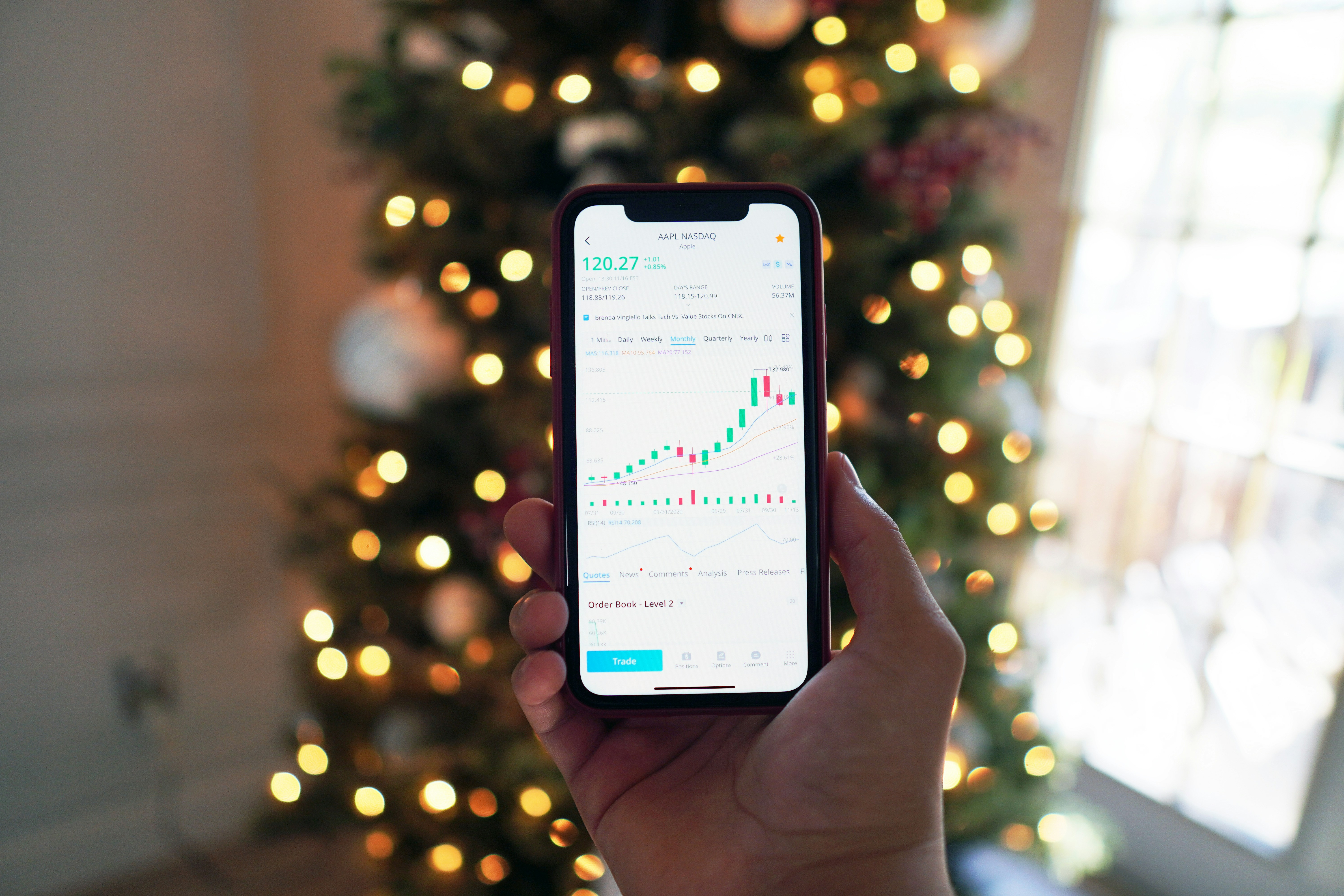
The term “Santa Rally” refers to a phenomenon often observed in the stock market during December, particularly in the last week of the year. This upward trend in stock prices typically occurs when investors are optimistic about market performance as they approach the new year, making it a significant period for the financial market. Historically, this rally emerges as a consequence of increased consumer spending during the holiday season, which tends to boost various economic indicators.
The question of what Santa Rally means can be examined from multiple perspectives. For investors, it represents an opportunity to capitalize on the seasonal trends that tend to propel stock prices higher. This increase in trading volume is influenced not only by the holiday spirit but also by year-end tax considerations and institutional investment strategies. As such, many market participants plan their trading strategies around the Santa Rally timing, aiming to maximize potential financial gains.
The record of the Santa Rally history reveals that this trend has occurred with notable frequency since the early 1950s. During this time, researchers and market analysts have documented various instances when stocks exhibited stronger performance during late December. These historical patterns have led many to consider the Santa Rally as a reliable seasonality indicator within the stock market. Additionally, the rally’s persistence over the years has prompted both individual and institutional investors to closely monitor stock movements during this period.
Understanding the Santa Claus rally becomes essential for investors seeking to navigate their portfolios effectively during these months. While the rally does not guarantee a positive market outcome, its significance lies in the patterns and trends that often emerge, making awareness of this phenomenon vital for decision-making in stock trading.
Historical Context of the Santa Rally
The concept of a Santa Rally, often regarded in the financial sector, refers to the bullish trend that tends to occur in the stock market during the last week of December and the first few days of January. Historically, this phenomenon has been observed to manifest in various forms, significantly impacting investor sentiments and market performance. While some argue that the Santa Rally means a time of optimistic trading, it is essential to contextualize its historical occurrences to understand its implications better.
Tracing back to the origins of the Santa Rally, its most notable instances can be linked to several economic conditions and events. The rally has been particularly associated with the post-World War II economic expansion, whereby consumer confidence surged during the holiday season, leading to increased market activity. For example, between 1950 and 2020, the S&P 500 exhibited gains in 34 out of those 71 years during the last week of December, showcasing a consistent pattern of performance.
Data indicative of Santa Rally timing reveals that market trends have not only been confined to the holiday spirit but also aligned with broader economic indicators. Investment strategies often leverage this historical pattern to predict potential market movements. Notably, significant years such as 1999 and 2010 saw substantial gains attributed to positive market sentiment amid favorable economic forecasts. Moreover, external factors like interest rates, inflation, and geopolitical conditions can critically influence the Santa Rally’s prevalence and strength, indicating that investors must remain vigilant to these dynamics.
The Psychology Behind the Santa Rally
The Santa Rally, a phenomenon observed during the final weeks of the year, is influenced substantially by investor psychology. This seasonal trend typically occurs in the last week of December and can extend into the first few trading days of January. The surge in market activity during this period may be attributed to several psychological factors, including optimism, holiday spending, and the influence of year-end bonuses on investor behavior.
During the festive season, many individuals display an elevated mood, often characterized by hopefulness and a sense of goodwill. As investors become more optimistic about their financial prospects, they are more likely to engage in increased trading activity. This positive sentiment is crucial, as it creates an environment where investors anticipate upward price movements, leading to a reinforced demand for stocks, thus contributing to the Santa Rally timing.
- SoH Crisis and the U.S. Tariff—All You Need To Know!
- New Found Gold – Hammerdown & the Path to Production – Edited Transcript
- Expanded 90,000-Meter Drill Program Backs Growth Case—Full Transcript: All You Need to Know!
- HDFC Bank Shares Fall: All You Need to Know!
- CNBC – ExxonMobil CEO Darren W. Woods on Q1 Results Transcript – All You Need To Know!
Additionally, holiday spending plays a significant role in shaping market expectations. As consumers spend money on gifts and festivities, economic indicators often show positive trends, prompting investors to adopt a bullish outlook. This increase in consumer confidence can further fuel the belief that the stock market will experience an upswing during this period.
Year-end bonuses also serve as a psychological motivator for many investors. When bonuses are received, individuals might choose to invest these additional funds in the stock market, stimulating demand and potentially contributing to price increases. Investors, aware of these dynamics, often prepare for the Santa Rally, resulting in heightened trading volumes as participants seek to capitalize on anticipated gains.
Ultimately, the confluence of optimism, holiday spending, and bonuses underscores the emotional and psychological factors driving investor behavior during this time. Understanding these elements offers invaluable insight into the history of the Santa Rally and its significance in the stock market.
Economic Indicators and the Santa Rally
The Santa Rally, a notable phenomenon in the stock market, often occurs in the final trading weeks of December. Investors closely observe various economic indicators that might contribute to its occurrence. Key among these are consumer confidence, employment rates, and holiday retail sales, all of which directly influence market sentiment and investment decisions.
Consumer confidence plays a vital role in shaping the Santa Rally timing. When consumers feel secure in their economic outlook, they are more likely to increase spending, especially during the holiday season. This heightened consumer activity is generally positive for retailers, and as businesses report favorable sales figures, investor sentiment typically improves, leading to a potential rise in stock prices. Elevated consumer confidence can therefore serve as a precursor to what many refer to as the Santa Claus rally.
Employment rates also significantly impact the likelihood and strength of the Santa Rally. A robust job market enhances disposable income, allowing consumers to spend more during the holidays. When employment rates are high, it often translates into increased stock market activity as companies experience higher demand for their products and services. This can lead to optimistic projections from investors and a willingness to invest, thus fueling the rally.
Furthermore, holiday retail sales are an essential indicator of economic health during this period. Strong sales figures reported post-Christmas can bolster stock prices, reinforcing the idea that the Santa Rally means not only joy for consumers but also lucrative returns for investors. Historical patterns show a correlation between positive economic indicators and the stock market’s behavior, emphasizing how interconnected these elements are during the festive season.
Impact of Seasonal Trends on the Stock Market
Seasonal trends have long been a topic of interest among investors and analysts in the stock market. Among various seasonal phenomena, the Santa Rally stands out as a notable occurrence where stock prices tend to rise in the final weeks of December. This boost is often attributed to a combination of factors, including year-end optimism, holiday spending, and the adjustment of portfolios by investors seeking to establish favorable positions for the coming year.
The Santa Rally typically begins around the last week of December and extends into the first few trading days of January. Historically, this period has demonstrated consistent gains for major indices. From a broader perspective, the Santa Rally is part of a larger set of seasonal patterns that influence market movements throughout the year. Other well-documented phenomena include “Sell in May and Go Away,” which highlights selling pressure during the summer months, and the January Effect, where stocks often perform well in early January, especially those smaller-cap stocks.

This time of year brings unique investment dynamics, such as tax-loss harvesting, where investors liquidate losing positions to offset capital gains taxes. Such strategic adjustments can inadvertently contribute to the rise of stock prices during the Santa Rally. Additionally, many investors engage in year-end buying to capitalize on perceived discounts before the new year kicks off. These behaviors foster a market environment that aligns with the positive expectations encapsulated by the term “Santa Rally.”Thus, understanding the broader implications of seasonal trends, including the Santa Rally’s historical context, can provide investors with insight into potential market movements. Grounded in behavioral finance, seasonal trading tendencies reveal much about investors’ psychology, embodying the anticipatory spirit that surrounds year-end festivities. As such, recognizing these patterns can equip investors with strategies for navigating the complexities of the stock market.
Critics of the Santa Rally
The phenomenon known as the “Santa Rally,” which refers to the historical trend of stock market gains during the last week of December and the beginning of January, has garnered both interest and skepticism among investors and market analysts. Critics question the reliability of this trend, suggesting that it may be more coincidental than predictive. They argue that while many investors look forward to the Santa rally timing, attributing gains to holiday optimism and seasonal factors, there is little consensus on the underlying mechanisms that drive this phenomenon.
One major point raised by skeptics is the inconsistency of the Santa rally’s occurrence. An analysis of historical data reveals that while the stock market often experiences gains during this period, it does not do so every year. For example, there have been several years where markets remained flat or even declined during these weeks, prompting critics to suggest that the Santa rally may lack substantive predictive power. This volatility complicates the narrative that a Santa rally is a guaranteed yearly occurrence.
Furthermore, some analysts posit that market movements during this season could be driven by factors unrelated to the holiday spirit. For instance, year-end portfolio adjustments, tax considerations, and institutional behaviors may play significant roles, leading to a rally not caused by investor sentiment alone. Given these arguments, critics contend that the Santa rally does not embody the characteristics of a reliable trading signal; rather, it may simply reflect the statistical quirks of market behavior.
In conclusion, while many anticipate the Santa Rally, the skepticism surrounding its validity raises important questions about whether it can truly be relied upon as a market indicator. Understanding the various interpretations of the Santa rally history can help investors navigate their strategies with greater insight.
Investment Strategies Aligned with the Santa Rally
The concept of the Santa Rally, which refers to the tendency of stock prices to rise in the last week of December through the first two trading days of January, presents a unique opportunity for investors. Understanding the Santa Rally timing can be essential for those looking to capitalize on seasonal market trends. Investors often employ various strategies during this period to maximize potential gains.
One effective strategy is to focus on sectors that historically perform well during the Santa Rally. Traditionally, retail and consumer discretionary sectors see increased activity as consumers begin holiday shopping sprees. This can lead to an uptick in stock prices for companies within these sectors. Additionally, technology stocks often gain traction as businesses look to finalize their expenditures before year-end.
Another strategy involves investing in exchange-traded funds (ETFs) that align with Santa Rally themes. These funds can offer diversified exposure to companies that typically benefit from year-end consumer spending. Furthermore, investors may consider the historical Santa Rally history to identify patterns in stock performance, allowing them to make more informed decisions based on past trends.
Moreover, certain investors might choose to engage in tax-loss harvesting before the year’s end, which can affect market dynamics leading into the Santa Rally. Selling off underperforming stocks can create opportunities for price increases in sectors believed to benefit from the impending rally.
In essence, understanding what a Santa Rally means and the strategies that can be utilized will help investors navigate this period more effectively. Through careful analysis of sector performance and historical trends, investors can position themselves favorably to take advantage of the Santa Claus rally, ultimately enhancing their investment returns.
Case Studies: Santa Rally in Action
The Santa Rally phenomenon, often referred to as the last bullish market trend of the year, has manifested in several notable instances throughout stock market history. One significant case occurred in December 2010, when the S&P 500 index rallied approximately 6% during the typical Santa Rally timing. This increase was attributed to positive economic indicators and an influx of holiday spending, which instilled confidence among investors. As a result, sectors such as retail and consumer discretionary saw substantial gains as traders positioned themselves for the year-end festivities.
In another instance in 2017, the Santa Claus rally led to a surge in the technology sector. Driven by strong earnings reports from major tech companies, the rally meant that the NASDAQ Composite index recorded an impressive 5.3% increase in value during the last week of December. Investors, buoyed by the performance of tech giants, seized the opportunity to capitalize on the prevailing bullish sentiment, further emphasizing the historical correlation between robust earnings and market rallies during this period.
The Santa Claus rally is not merely anecdotal but backed by statistical evidence. Historical data suggests that, on average, the market tends to rise by 1.3% over the seven trading days from the last Friday of the year through the first few days of January. Furthermore, a closer inspection of individual stocks reveals that sectors such as consumer goods often outperform, as consumers increase their expenditures during the holiday season. The impact of the Santa Rally varies, distinctly influencing different sectors, yet consistently demonstrating that investor sentiment and seasonal trends play a crucial role in driving market dynamics.
Conclusion: The Future of the Santa Rally
The Santa Rally, a term referring to a seasonal increase in stock prices during the last week of December and the beginning of January, has historically been of considerable interest to investors. Understanding its timing and implications can help market participants make informed decisions. However, as we look toward the future of the Santa Rally, several factors merit consideration.
One such factor is the changing economic landscape. Economic indicators, such as inflation, interest rates, and overall economic growth, can directly influence investor sentiment and market performance. For example, a robust economy may bolster investor confidence, potentially leading to a more pronounced Santa Rally. On the other hand, economic instability could dampen enthusiasm, warranting caution among market participants.
Another crucial aspect to monitor is investor behavior. As more information becomes available and investment strategies evolve, the traditional patterns of the Santa Rally may be affected. The rise of technology in trading, including algorithmic trading and digital platforms, can change how investors react to market excitement, impacting the rally’s dynamics. Furthermore, the growing emphasis on socially responsible investing might modify the types of securities that see significant movement during this period, leading to a shift in what the Santa Rally means.
Global events, such as geopolitical uncertainties or public health crises, may also influence the Santa Rally going forward. The past few years have demonstrated how unpredictable events can alter market trajectories. Some investors may adopt a more cautious approach during uncertain times, which could affect the likelihood and scale of a Santa Rally.
In conclusion, while the historical significance of the Santa Claus Rally remains intact, its future is likely subject to various evolving factors, including economic conditions, investor psychology, and global dynamics. As these elements change, market participants should remain vigilant and adaptable, keeping abreast of trends that might redefine the meaning and impact of the Santa Rally.



Amazon and the Amazon logo are trademarks of Amazon.com, Inc, or its affiliates.