As an Amazon Associate I earn from qualifying purchases.
Introduction to Infosys ADR and Recent Market Movements
- Introduction to Infosys ADR and Recent Market Movements
- The 50% Surge: Analyzing the Catalyst
- The Mystery of the Trading Halt: What Happened?
- Understanding the Short Squeeze Dynamics
- Arbitrage Trading and Its Implications
- Comparative Analysis: Wipro and Accenture Earnings
- Investor Behavior: Market Psychology and Reactions
- Impacts of the INFY Surge on Indian IT Stocks
- Conclusion: Lessons Learned and Future Outlook
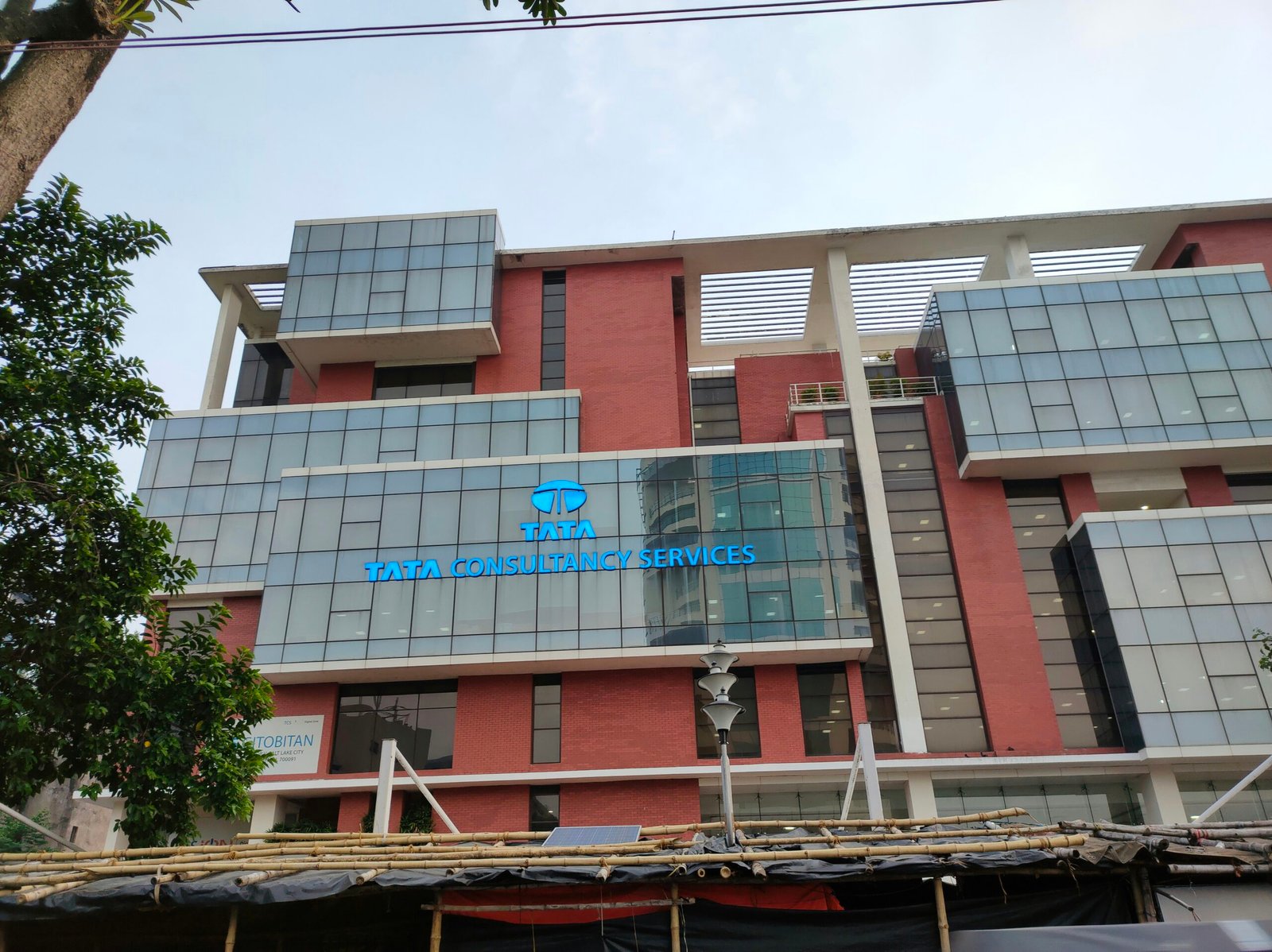
An American Depository Receipt (ADR) represents shares of a foreign company traded on American stock exchanges, allowing US investors to indirectly invest in non-US entities. Specifically, the Infosys ADR (INFY) provides access to the performance of Infosys Limited, an Indian multinational corporation specializing in IT services and consulting. This structure simplifies the investment process for American investors by sidestepping the complexities involved in trading foreign stocks directly.
Infosys ADR plays a significant role in the context of the US financial market, enabling investors to diversify their portfolios with shares from Indian IT firms. These ADRs not only reflect the operational performance of Infosys but are also impacted by broader economic indicators and market sentiments surrounding the Indian economy and technology sector. As a leading player in the IT domain, Infosys has established a robust presence within the global trading landscape, attracting interest from both retail and institutional investors.
Recently, the market has observed remarkable movements surrounding Infosys ADR, notably a 50% surge to $30, which has captivated attention and led to discussions regarding the catalysts behind such a dramatic change. Factors contributing to this sudden rise include shifts in market sentiment, strategic announcements from the company, or broader trends within the technology sectors, including demand for digital services and advancements in innovation. This phenomenon has not only raised eyebrows among analysts and investors but also resulted in a trading halt as the market sought to ascertain the reasons behind these significant fluctuations.
As we delve deeper into the specifics of this surge and its implications for both the ADR market and investors at large, it becomes crucial to assess the underlying factors that influence the performance of Infosys and similar entities in the evolving landscape of global finance.
The 50% Surge: Analyzing the Catalyst
The recent 50% surge in Infosys American Depository Receipts (ADR) to a remarkable $30 can be attributed to a confluence of market dynamics and external factors that created an environment ripe for trading activity. One of the primary drivers of this dramatic price movement was the anticipation surrounding the company’s forthcoming earnings report. Investors typically react strongly to expected financial results, and positive projections from analysts can often lead to speculative trading, pushing prices higher in advance of the actual announcement.
In addition to earnings expectations, market conditions preceding the surge played a crucial role. The overall buoyancy in the technology sector may have created a favorable backdrop for Infosys, with investors looking for opportunities amidst a strong performance in related companies. This sector-specific enthusiasm likely contributed to heightened interest in Infosys, thereby inflating its stock price and leading to the sharp spike.


Moreover, news announcements regarding strategic partnerships or client wins can serve as significant catalysts in the technology landscape. Any recent developments touting Infosys’s capabilities or market expansions could have further fueled investor sentiment, resulting in accelerated purchasing activity. Investor behavior, particularly among institutional investors, tends to amplify these price movements as large trades can create a cascading effect on smaller market participants.
Finally, trading patterns prior to the surge reveal substantial accumulation of shares, indicating that savvy investors were positioning themselves in anticipation of a significant upward price movement. High trading volumes and unusual options activity could also be indicative of a bullish sentiment. Collectively, these factors contributed to the extraordinary rise in Infosys ADR, showcasing the complexity of market mechanics at play.
The Mystery of the Trading Halt: What Happened?
The recent trading halt of Infosys shares on the New York Stock Exchange (NYSE) has drawn considerable attention from both traders and investors. A trading halt is a temporary suspension of trading in a particular security, which is often enacted to ensure fairness and transparency in the market. Various circumstances can lead to such a halt, particularly significant price volatility or the anticipation of material news that could impact the stock’s valuation.
In the case of Infosys, the shares experienced a dramatic surge of approximately 50%, reaching a price of $30. Such a substantial movement in stock price typically poses the risk of causing chaos in trading, leading regulatory bodies to implement a trading halt. This mechanism serves multiple purposes, including allowing investors sufficient time to digest new information and ensuring the market operates under orderly conditions.

- Complete Gift Set – Includes a Parker Vector Stainless Steel Fountain Pen with chrome trim, an ink bottle, and 3 ink car…
- Refined Writing Experience – Fine point nib with smooth blue ink ensures clean, elegant lines suitable for notes, signat…
- Durable Stainless Steel Build – Strong body with chrome accents offers both style and reliability for everyday and execu…

- PREMIUM DESIGN: Classic black resin barrel with Platnium-plated trim and signature clip, embodying timeless luxury and s…
- ROLLERBALL TECHNOLOGY: Smooth writing experience with precision-engineered rollerball tip for effortless gliding across …
- CRAFTSMANSHIP: Meisterstück collection represents the pinnacle of writing instruments with meticulous attention to detai…

- Premium Design: Crafted with aircraft grade aluminum and enduring zinc alloy, the Hoverpen Interstellar Edition is a pre…
- Unique Functionality: The Hoverpen Interstellar Edition is the world’s first pen that can hover at an angle, making it a…
- Futuristic Functionality: The pen’s magnetic feature allows it to spin on its pedestal, providing a fidgeting tool to bo…
Regulatory authorities, including the NYSE, have established specific triggers that may prompt a trading halt. These can include rapid price movements, a predetermined percentage drop or gain in the stock value, or other significant events that could impact investor decisions. When a trading halt is enacted, it provides the market with a moment to stabilize and reflect on the available information, which can be crucial for maintaining investor confidence.
The implications of trading halts extend beyond mere regulation; they can affect trader sentiment and market dynamics. For traders, a halt can lead to uncertainties, as prices may not reflect real-time valuations. Investors must remain vigilant during such periods, as the resumption of trading can often lead to further market fluctuations. Understanding the reasons and protocols behind trading halts is essential for anyone participating in the stock market, particularly during such extraordinary events as observed with Infosys shares.
Understanding the Short Squeeze Dynamics
A short squeeze represents a market phenomenon where a heavily shorted stock experiences a sudden price increase, forcing short sellers to liquidate their positions to prevent further losses. This occurs when the stock’s price rises rapidly, usually due to favorable news or shifts in market sentiment, prompting short sellers to buy back shares to cover their short positions. This buying pressure can result in a more substantial price surge, thereby aggravating the squeeze effect.
In the case of Infosys American Depositary Receipts (ADR), the recent 50% surge to $30 occurred amidst a backdrop of high short interest. Investors who had shorted the stock were likely caught off guard as the stock price rose sharply, leading to a situation where they were compelled to cover their shorts. This created a feedback loop: more buying created an even higher price, further pressuring those short on the stock.
Historically, short squeezes have been observed in various equities, with notable examples including GameStop and Volkswagen. In early 2021, GameStop became synonymous with short squeezes, as its stock price skyrocketed, fueled by coordinated buying efforts from retail investors. Similarly, in 2008, Volkswagen saw its stock price escalate due to a significant short squeeze, ultimately becoming the most valuable company in the world for a brief period.
- SoH Crisis and the U.S. Tariff—All You Need To Know!
- New Found Gold – Hammerdown & the Path to Production – Edited Transcript
- Expanded 90,000-Meter Drill Program Backs Growth Case—Full Transcript: All You Need to Know!
- HDFC Bank Shares Fall: All You Need to Know!
- CNBC – ExxonMobil CEO Darren W. Woods on Q1 Results Transcript – All You Need To Know!
Both of these instances exemplify how a confluence of high short interest and sudden market shifts can lead to dramatic price movements. The situation with Infosys ADR highlights the critical nature of monitoring short interest, as the dynamics can often lead to unexpected outcomes, affecting both short sellers and long investors alike.
Arbitrage Trading and Its Implications
Arbitrage trading is a strategic approach that involves exploiting price differentials of the same asset in different markets. In the case of foreign stocks such as Infosys, which has its American Depository Receipts (ADRs) traded on U.S. exchanges, arbitrage opportunities can arise due to the disconnect between the ADR prices and the prices quoted on the Indian National Stock Exchange (NSE). When these prices diverge significantly, it offers traders a chance to capitalize on the inefficiencies of the market.
For instance, if the ADR of Infosys surges to $30 while its corresponding share price on the NSE is lower, traders can execute a buy on the NSE and sell the ADR simultaneously. This practice helps in bringing balance between the two markets as profit is made from the price discrepancy. However, the efficacy of arbitrage trading is contingent on various factors, including transaction costs and liquidity, which can considerably impact the profitability of such trades.
The implications of arbitrage trading extend to broader market sentiments and investor confidence. When significant price fluctuations like the aforementioned 50% surge occur, they can lead to trading halts, as regulatory bodies step in to investigate the causes behind the abnormalities. These halts serve a dual purpose: to prevent market manipulation and to offer traders a moment to reassess their positions. Consequently, in instances like the Infosys ADR situation, understanding arbitrage trading becomes crucial for investors seeking to navigate the complexities of cross-border transactions.
Ultimately, traders engaging in arbitrage should remain vigilant of market conditions and trends that can affect prices. By leveraging informed decision-making processes in light of ADR versus NSE price dynamics, investors can make more calculated trading decisions, thereby optimizing their investment outcomes.
Comparative Analysis: Wipro and Accenture Earnings
The recent earnings reports of major IT players Wipro and Accenture present a dynamic framework for understanding the market landscape in which Infosys operates. Both companies have showcased distinctive performance metrics that not only reflect their operational health but also inform investor sentiment towards Infosys and its stock price movements.
Wipro, in its latest quarterly earnings, reported a modest growth trajectory, emphasizing its commitment to enhancing service delivery and client engagement strategies. While its revenue growth was slower compared to industry expectations, the company highlighted significant investments in digital transformation initiatives. This focus on innovation may mitigate investor anxiety, but did result in a cautious market reaction. Analyst commentary surrounding Wipro’s performance indicates a sense of wariness regarding the broader IT sector’s growth amid changing global economic conditions, which could consequently influence perceptions of Infosys.
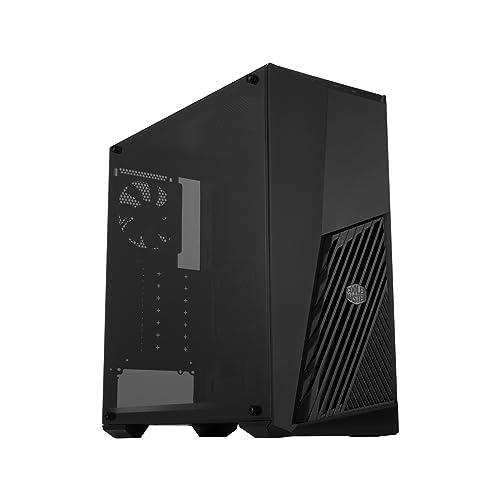
- Made for gamers, the K501L comes with RGB fan at front, illuminated power button and a unique angled slat design that’s …
- Demanding gaming systems will run cool thanks to the plethora of cooling options – 360mm AIO compatibility, support for …
- Supports all kind of gaming components – clearance of 410mm for Graphics card, 165mm for CPU cooler, and 180mm for PSU o…

- FineMesh Performance Front Panel – Large mesh intakes offer unrestricted airflow and stellar thermals for demanding syst…
- Three CF120 ARGB Fans Included – Pre-installed CF120 ARGB fans provide ample airflow, ensuring low temperatures, high pe…
- Removable Top Panel – The top panel is entirely removable for improved access to the components during assembly. Ease of…

- Designed for Comfort, Built for Control: The Pulsefire Fuse is designed for comfort in any situation. The smooth contour…
- Lightweight 75g Structure : The lightweight structure of the Pulsefire Fuse keeps your gaming sessions light and airy. W…
- Up to 85 hours[1] of Play with a Single AAA: Powered by one AAA alkaline battery, the Pulsefire Fuse can provide up to 8…
On the other hand, Accenture’s performance stood out for its robust year-over-year growth, driven primarily by its strong emphasis on consulting and digital services. This solid earnings report bolstered investor confidence across the sector and escalated interest towards firms like Infosys. As Accenture highlighted new contracts and increased demand for digital transformation services, it positioned itself favorably in a competitive landscape, which could inadvertently heighten expectations for peers, including Infosys. Given Accenture’s results, investors may have heightened anticipation for Infosys’s earnings, thus impacting stock valuations.
Consequently, the juxtaposition of Wipro and Accenture’s earnings against Infosys reveals not only the competitive pressures within the IT services sector but also the intricate relationship between these companies and how their performances contribute to shaping investor sentiments. As market participants analyze these earnings reports, the evolving narrative surrounding Infosys may be significantly affected, particularly in light of its recent stock surge attributed to investor reactions and broader economic trends.
Investor Behavior: Market Psychology and Reactions
The sudden surge in Infosys ADR prices, culminating in a notable 50% increase to $30, can be attributed to various psychological factors that influence investor behavior. One of the most significant drivers is the fear of missing out, commonly referred to as FOMO. This phenomenon occurs when investors perceive an opportunity that they believe will lead to substantial gains, prompting them to make impulsive decisions. The spike in Infosys shares potentially triggered a wave of FOMO among investors, leading to increased trading activity and a heightened sense of urgency to participate.
Moreover, the herd mentality often dominates market behavior during such events. As more investors begin buying into Infosys, others may follow suit, convinced that the surge signals robust company performance or increased market demand. This collective behavior can create a self-fulfilling prophecy, wherein the actions of a few lead many to engage in similar behaviors, further driving up stock prices. In the case of the Infosys surge, trading activity likely spiraled as various agents sought to capitalize on the momentum, ultimately contributing to the volatility observed during this period.
Furthermore, narratives surrounding the growth of Indian IT stocks play a crucial role in shaping investor sentiment. Positive news about the Indian IT sector often breeds optimism, encouraging investors to place their bets on stocks like Infosys. This optimism can reinforce the notion that investing in promising companies is not only prudent but essential for financial growth. Ultimately, when faced with the conflicting emotions of excitement and uncertainty, investors often resort to instinct rather than analysis, leading to rapid decision-making that can significantly affect prices.
Impacts of the INFY Surge on Indian IT Stocks
The recent surge of approximately 50% in Infosys’ American Depository Receipts (ADRs) has sent shockwaves through the broader Indian IT sector. As one of the leading players in the industry, any significant movement in Infosys shares is likely to influence the perceptions and valuations of other IT stocks. This phenomenon can be attributed to several interconnected factors, including investor sentiment, market dynamics, and competitive positioning.
Initially, the immediate impact of the INFY surge is observed in the stock prices of other major Indian IT players such as TCS, Wipro, and HCL Technologies. Investors often view the performance of Infosys as a bellwether for the entire IT sector. A substantial rise in Infosys’ stock can rejuvenate interest in the genre, subsequently leading to increased buying activity across the board. This interdependence is driven by the shared characteristics of growth potential, market exposure, and client diversity that the various companies represent.
Furthermore, as investor confidence builds following such an unexpected rally in a prominent company like Infosys, it extends to other firms within the sector. Positive sentiment often results in higher valuations, causing stock prices to trend upward. This uplift, however, can also introduce volatility; if the surge is not supported by corresponding growth fundamentals, it may foster a precarious trading environment. Such practices could create scenarios where IT stocks exhibit inflated prices, raising concerns among investors regarding potential corrections down the line.
In addition, regulatory factors and market reactions can exacerbate these effects. The state of the market during such fluctuations plays a crucial role in determining the sustainability of price movements across the IT spectrum. Therefore, the ripple effect created by Infosys’ surge needs careful monitoring, as it holds the potential to reshape not just investor sentiment but also the competitive landscape within India’s IT sector.
Conclusion: Lessons Learned and Future Outlook
The recent freak trade incident involving Infosys ADR, which saw a dramatic surge of 50% to $30, has illuminated several critical aspects of market behavior and trading strategies. Understanding these lessons is essential for investors and stakeholders within the Indian IT sector and beyond.
Firstly, the occurrence of such volatility serves as a potent reminder of the inherent risks associated with trading in the stock market. Sudden price fluctuations can occur due to various reasons, including market sentiments, investor reactions, or even technical glitches. The surge in Infosys ADR may have resulted from a combination of speculative trading and unexpected market reactions, emphasizing the need for traders to remain vigilant and informed.
Moreover, this incident underscores the importance of employing robust trading strategies that can accommodate volatility. Investors should consider implementing stop-loss orders, diversifying their portfolios, and maintaining an acute awareness of market trends to mitigate potential losses. Additionally, understanding the liquidity of a particular security plays a crucial role in navigating rapid price changes effectively.
Looking forward, the future of Infosys and the broader Indian IT sector may be influenced by both domestic economic conditions and global market trends. As the tech landscape continues to evolve, companies like Infosys may be better positioned to handle volatility if they adopt innovative strategies and invest in scalable solutions. Market participants should remain watchful for signals of growth or contraction that could affect share prices in the longer term.
No layout selected.In conclusion, the freak trade incident offers valuable insights into the nature of market dynamics and the importance of strategic planning in trading. A careful analysis of these lessons will not only help in understanding past events but also in preparing for potential future occurrences in the investing landscape.
Amazon and the Amazon logo are trademarks of Amazon.com, Inc, or its affiliates.