As an Amazon Associate I earn from qualifying purchases.
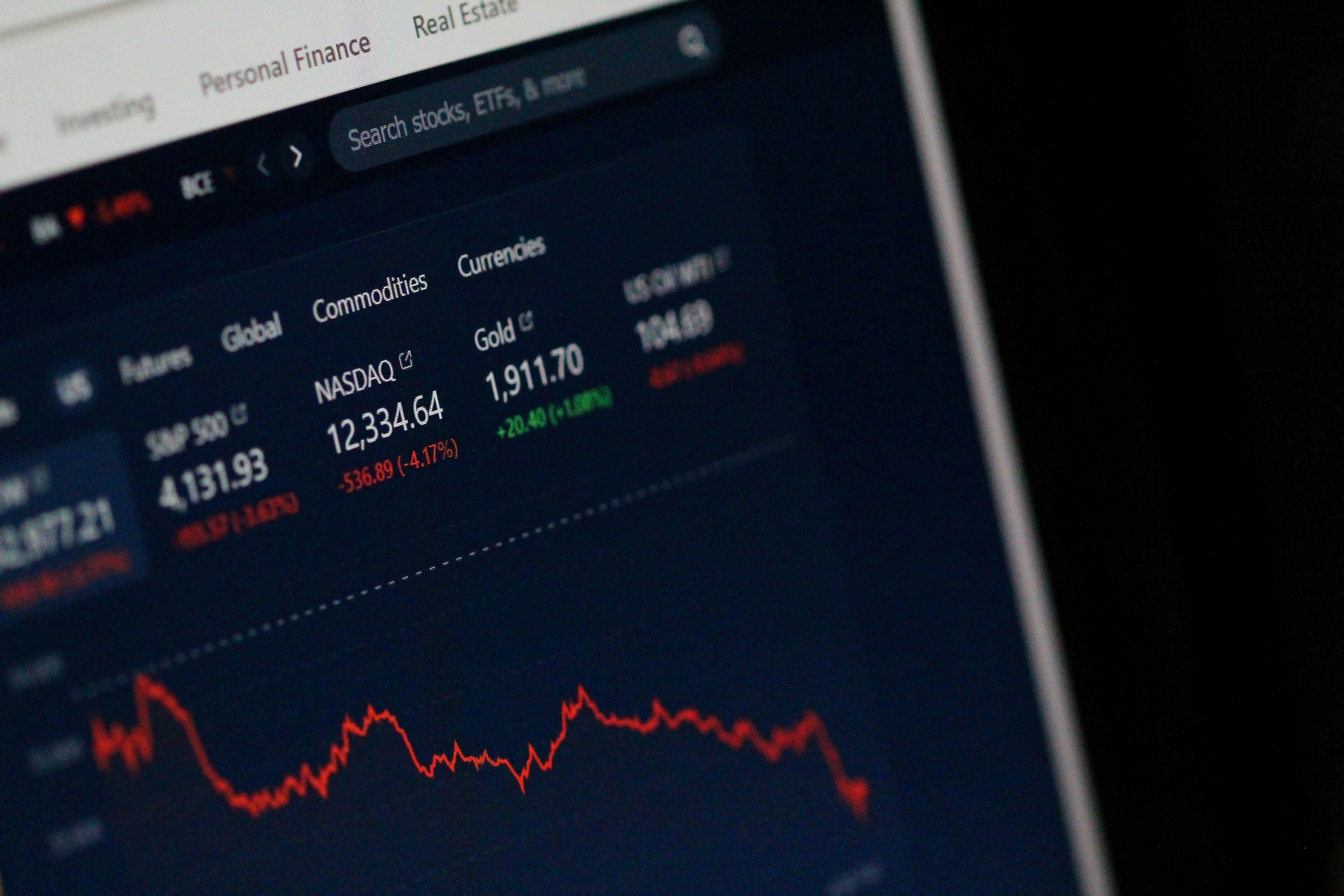
Market Landscape on December 19, 2025
- Market Landscape on December 19, 2025
- Economic Indicators: The Significance of CPI and Jobless Claims Releases
- The Jerome Powell Factor: Interest Rate Decisions Ahead
- Trump's Speech: A Potential Market Trigger
- Japan's Interest Rate Hike: Anticipated Market Reactions
- Geopolitical Influences: The Epstein Files and Political Noise
- Market Predictions: Will the Santa Rally Occur?
- Investor Strategies: Navigating December 19, 2025
- Conclusion: Preparing for Market Movements
As we approach December 19, 2025, the global economic landscape appears to be a mix of cautious optimism and volatility. Recent economic indicators have painted a picture of both challenges and opportunities for investors. Notably, the U.S. data released this month has shown a moderate increase in consumer spending and a steady job market, which aligns with expectations for seasonal holiday shopping. However, these positive signs come amid concerns regarding inflationary pressures and potential geopolitical tensions affecting market sentiment.
Key events leading up to this date have been marked by significant developments in various sectors. For instance, the recent release of the Epstein files has stirred debates and speculation in financial circles, as stakeholders question the potential ramifications on trust and governance within certain industries. Such controversies could lead to increased market volatility, impacting investor confidence during this crucial time of year.
In the context of the anticipated Santa Rally, which typically occurs in the final weeks of the year, market participants are closely monitoring Japan data reflecting economic recovery trends. Comparatively, the recent performance of U.S. stocks suggests a potential rally if the current momentum continues. Investors are encouraged to consider both domestic and international factors that may influence market dynamics in the coming days.
Overall, as we look toward December 19, 2025, a careful analysis of economic signals, investor sentiment, and key data releases will be essential. The convergence of favorable U.S. data, the implications of high-profile disclosures, and the influence of Japan’s economic performance are critical components shaping expectations for a year-end market rally. This complex landscape presents both opportunities and risks, prompting investors to remain vigilant as they navigate the anticipated Santa Rally.
Economic Indicators: The Significance of CPI and Jobless Claims Releases
The economic landscape is continually shaped by various indicators that provide insights into the health of the economy. Among these, the Consumer Price Index (CPI) and jobless claims are particularly significant, with future releases scheduled for 7:00 PM IST. These indicators not only inform market participants about inflation trends but also influence the broader economic policy, particularly from the perspective of the Federal Reserve.
The CPI measures the average change over time in the prices paid by consumers for a basket of goods and services. A rising CPI indicates inflation, an essential concern for policymakers and investors alike. A notable release of the CPI figures could lead to market volatility, especially if they deviate significantly from analysts’ expectations. Investors often analyze CPI data closely as it reflects the purchasing power of consumers which is vital for economic growth.




On the other hand, jobless claims provide timely data regarding the unemployment situation in the U.S. An increase in jobless claims often suggests economic distress, potentially causing investors to reassess their positions. If the claims rise unexpectedly, it may prompt concerns regarding future consumer spending and economic stability. Since Federal Reserve Chair Jerome Powell’s decisions on interest rates are influenced by employment data and inflation, market participants will closely watch how these two economic indicators unfold.


As we anticipate these upcoming releases, it becomes evident that the implications of CPI and jobless claims extend far beyond immediate market reactions. They represent critical data points that reflect current economic conditions, which can guide future policy decisions. This ongoing analysis is vital for investors who are looking to navigate a landscape influenced not only by domestic factors but also by global trends, such as the recent trump speech that discussed economic policies and their potential impacts, alongside foreign data, including Japan data, which also play a role in shaping market sentiment.
The Jerome Powell Factor: Interest Rate Decisions Ahead
The influence of Jerome Powell, the Chair of the Federal Reserve, on the financial markets is profound, particularly in times of heightened economic scrutiny. As investors analyze the latest Consumer Price Index (CPI) and jobless claims data, Powell’s interest rate decisions become pivotal in shaping expectations for market performance. Historically, Powell’s speeches and the subsequent adjustments to interest rates have triggered notable reactions in equity and bond markets. For instance, when rate hikes were announced following positive economic indicators, such as robust job growth or escalating inflation, investor sentiment often turned optimistic, resulting in significant price increases across various sectors.
Recent attention has turned towards the interplay between Powell’s remarks and specific economic indicators. The upcoming release of U.S. data, particularly related to inflation and employment, will likely influence Powell’s comments and the trajectory of interest rate adjustments. Investors and analysts will be keenly observing not just the numerical data but the tone and context of Powell’s presentations; for instance, references to historical events like the Epstein files scandal might be seen as subtle hints regarding political pressures affecting economic policies.
Additionally, examining past trends reveals that Powell tends to adopt a cautious approach. For example, upon the announcement of softer economic data, he may delay rate hikes, which could calm market volatility and lead to a positive short-term outlook. Conversely, should the economic data, including Japan data, indicate overheating, Powell may initiate tighter monetary policies, potentially cooling off the markets. Investors await the Federal Reserve’s next moves with anticipation, keen to understand how Powell’s decisions will impact their trading strategies in light of the forthcoming economic climate.
Trump’s Speech: A Potential Market Trigger
On December 19, 2025, market participants are poised to closely monitor a speech delivered by former President Donald Trump at 7:30 PM IST. His addresses often hold significant implications for investor sentiment and can serve as catalysts for market movements. Given the current economic climate and prevailing conditions within the market, the content and tone of Trump’s speech may provide critical insights into potential trends.
The significance of Trump’s rhetoric cannot be understated. By addressing key issues such as economic policies or international trade relations, Trump could affirm or challenge existing market assumptions. For instance, should he touch upon the US data related to inflation or employment figures, investors may respond actively based on their interpretations of his stance. Any references to external factors—like the Japan data concerning trade balances or the effects of recent geopolitical tensions—are likely to provoke further analysis and speculation among market observers.
Furthermore, the political landscape, marked by ongoing discussions about the Epstein files and their implications, might influence Trump’s narrative, potentially steering market direction. If his speech resonates with a strong tone of optimism, it could instigate a bullish sentiment, prompting buyers to enter the market ahead of the anticipated Santa Rally. Conversely, if the address conveys uncertainty or concern, especially regarding US data trends, it might lead to caution among investors.

- Package Includes – Pierre Cardin Regal Pen Set | Blue Ink, Pack Of 1
- This Pen Gives You The Smooth Writing Experience For Comfortable Writing.
- Ergonomic Grip For Easy Handling Of The Pen.

- Complete Gift Set – Includes a Parker Vector Stainless Steel Fountain Pen with chrome trim, an ink bottle, and 3 ink car…
- Refined Writing Experience – Fine point nib with smooth blue ink ensures clean, elegant lines suitable for notes, signat…
- Durable Stainless Steel Build – Strong body with chrome accents offers both style and reliability for everyday and execu…

- Complete Gift Set – Features a Parker Vector Standard Roller Ball Pen with chrome trim and a premium silver key chain, i…
- Smooth Writing Experience – Medium point pen with blue ink provides consistent, bold, and clear lines suitable for notes…
- Classic Black Body Design – Durable body with chrome accents offers a sleek, professional look, making it perfect for pr…
Ultimately, as markets are highly reactive to such events, the reactions to Trump’s speech will be closely scrutinized. Investors and analysts alike will reflect on how his commentary aligns with broader economic indicators and its potential to influence the overall investing landscape as we approach the year’s end.
Japan’s Interest Rate Hike: Anticipated Market Reactions
As Japan approaches what is widely anticipated to be a pivotal interest rate hike, current forecasts suggest a probability of 94-98% for this decision. Market analysts and investors are keenly observing how this impending change could significantly influence various financial dynamics, particularly the yen carry trade and the Nikkei index.
The potential hike in interest rates is expected to reshape the trading landscape, particularly affecting the yen carry trade, which involves borrowing in currencies with low interest rates and investing in higher-yielding assets. A stronger yen resulting from higher interest rates could disincentivize this strategy, leading to a decline in demand for riskier investments abroad. Consequently, investors may need to reconsider their funding strategies, as the easing of the carry trade could introduce volatility into global markets.
Furthermore, fluctuations in the Nikkei index can also be anticipated as market sentiment adjusts to this significant policy shift. Historically, interest rate hikes in Japan have correlated with lower stock market performance in the short term; however, this reaction may vary in the present context, given the specific economic indicators at play, including US data that reflects global economic health. Observations regarding the correlations between US data and Japan’s economic environment are crucial. Such data can serve as benchmarks for predicting investor behavior and the resilience of the market amidst changes driven by the Bank of Japan.
In conclusion, the looming interest rate hike holds considerable implications for both local and international markets. Stakeholders should remain vigilant in monitoring the evolution of this situation, as adjustments in monetary policy not only induce immediate market effects but can also inform longer-term economic strategies, influenced further by the ongoing developments surrounding the Epstein files.
Geopolitical Influences: The Epstein Files and Political Noise
The political arena often serves as a significant driver of market fluctuations, particularly during times of heightened controversy. One such instance is the ongoing discourse surrounding the Epstein files. The anticipated release of these files has raised eyebrows across various sectors, primarily due to its potential implications for prominent political figures, including former President Trump.
As we analyze market behavior, it is crucial to consider how events tied to political intrigue can impact investor sentiment. The Epstein files may unveil information that could generate political turmoil, posing risks of volatility in the financial markets. Investors often react to uncertainties by adjusting their portfolios, which can exacerbate market fluctuations. Historical data suggest that revelations related to political scandals typically induce significant market reactions, especially if high-profile personalities are involved.
This nexus between political events and market dynamics underscores the importance of monitoring related news closely. Will the Epstein files lead to developments that affect Trump’s political future? If such events unfold, they could have lasting repercussions on investor confidence, further exacerbating volatility. The unpredictability surrounding the situation suggests that traders should remain vigilant.
Moreover, geopolitical factors, alongside domestic political issues, can shape market performance as we approach the year-end rally. Investors frequently assess how these influences, including the release of contentious information, can affect broader economic signals. The interplay of international data, such as Japan data and US data, remains crucial in this context, as these economic indicators can further inform market sentiment amid political noise.
As the landscape continues to evolve, understanding the implications of the Epstein files is essential for market participants. Geopolitical influences will undoubtedly play a pivotal role heading into the new year, underscoring the need for prudent risk management in the face of uncertainty.
Market Predictions: Will the Santa Rally Occur?
The Santa Rally, often defined as the stock market’s tendency to rise during the last week of December and into the New Year, is a phenomenon that many investors look forward to each year. The likelihood of this rally occurring can be influenced by various factors, including economic indicators and geopolitical events. Recent US data has shown mixed signals, which could impact investor sentiment and market performance during this critical period.
Historical trends suggest that a substantial rally often follows positive economic reports, particularly those that suggest growth and stability. For instance, if upcoming Japan data reflects an improvement in consumer spending or industrial output, we may see a trend upward in domestic and international markets. Conversely, negative data could instill caution among investors, leading them to hesitate before committing funds in anticipation of the rally.
Geopolitical events also play a significant role in shaping market dynamics. With ongoing discussions surrounding the Epstein files and their potential ramifications on various sectors, investor anxiety could lead to volatility despite normally favorable conditions for a Santa Rally. Historical data indicates that when markets face geopolitical uncertainty, the likelihood of a bullish trend shifts dramatically.
The convergence of these factors—economic data, historical patterns, and geopolitical events—will heavily influence market behavior in the lead-up to the holiday season. While optimism remains that a Santa Rally could unfold, cautious investors are urged to consider the broader context of both current market indicators and the prevailing economic climate before making investment decisions.
Investor Strategies: Navigating December 19, 2025
As investors approach December 19, 2025, a date marked by significant market activity and key economic indicators, it becomes crucial to implement effective risk management strategies. This period often sees fluctuations due to factors like updated US data, investor sentiment driven by news events such as the recent revelations from the Epstein files, and fluctuations related to Japan data releases. Understanding these elements can help investors make informed decisions.
One strategy to consider is diversification. By spreading investments across various asset classes, including equities, fixed income, and alternative investments, investors can mitigate risk, especially in volatile market conditions. Keeping an eye on macroeconomic indicators will provide insights into potential market movements. For example, if US data suggests a strong economy, this could positively influence stock prices, while weaker indicators might warrant caution.
Another effective approach involves setting stop-loss orders. These orders can protect investors from significant downturns by automatically selling assets if prices fall below a certain threshold. This can be particularly useful amidst uncertainty created by geopolitical events or market-wide corrections, which might be influenced by the ongoing discourse surrounding the Epstein files or shifts in international data from Japan.
Moreover, maintaining an informed perspective is vital. Investors should pay attention to updated analytics, expert analyses, and economic forecasts. Regularly reviewing financial news and analysis related to the US and Japan can provide context for market movements and help in recalibrating investment strategies. Investors should also consider the psychological aspects of trading, particularly during this time of year, as the anticipation of the Santa Rally may lead to increased buying pressure in certain sectors.
In conclusion, as December 19, 2025, approaches, employing comprehensive risk management strategies while staying informed about US data, Epstein files implications, and Japan data will position investors to navigate the market proactively and effectively.
Conclusion: Preparing for Market Movements
As we reflect on the dynamics shaping the market landscape on December 19, 2025, it is evident that both economic indicators and geopolitical events play a significant role in influencing market movements. The anticipation of the Santa rally, characterized by the predictable seasonal uptick in stock prices, aligns closely with the release of key economic data. For example, changes within the US data landscape, such as employment figures, inflation rates, and consumer spending, provide critical insights for investors seeking to capitalize on these trends.
The intricate relationship between these economic indicators and investor sentiment cannot be overstated. As observed, fluctuations in the market often correlate with real-time analysis, highlighting the significance of upcoming announcements that may drive trading decisions. Furthermore, the careful examination of external factors, such as the Epstein files’ impact, offers a broader context for understanding market psychology and behavior. Markets tend to react sharply to new information, especially when it touches on high-profile figures or events that capture public attention.
Moreover, attention should also be paid to international variables, such as Japan data, which could have implications for global market sentiment. As economies become more interconnected, developments in one region can ripple through to others, affecting investment strategies worldwide. Consequently, investors must remain vigilant and well-informed, analyzing how these multifaceted components intersect to inform their decision-making processes.
In conclusion, staying attuned to both economic data and geopolitical events is imperative for navigating the complexities of the market as 2025 draws to a close. By synthesizing insights from US data, global events like the potential fallout from the Epstein files, and international markets such as Japan, stakeholders can better position themselves to respond to imminent market movements and optimize their investment strategies effectively.



Amazon and the Amazon logo are trademarks of Amazon.com, Inc, or its affiliates.