As an Amazon Associate I earn from qualifying purchases.
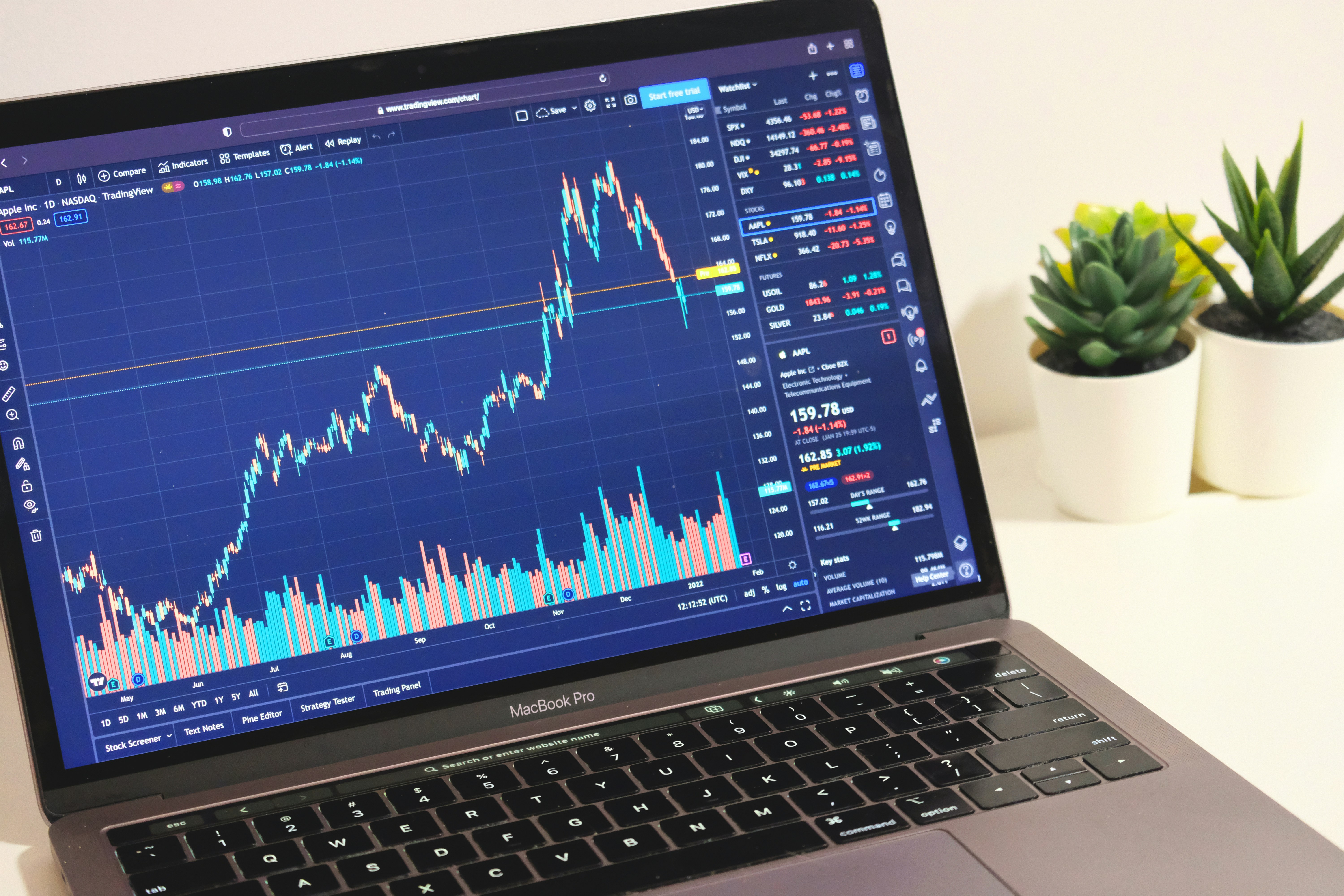
The Importance of Trading in Today’s World
- The Importance of Trading in Today's World
- Why You Should Give Trading a Try
- Introduction to Timeframes in Trading
- The 75-Minute Timeframe Explained
- Cons of Trading on a 75-Minute Timeframe
- How to Effectively Trade on a 75-Minute Timeframe
- Boosting Income through the 75-Minute Timeframe
- Conclusion: Is Trading on a 75-Minute Timeframe Right for You?
In the contemporary economy, trading holds immense significance due to its accessibility and the rapid evolution of financial markets. With advancements in technology, individuals are no longer confined to physical trading floors; they can engage with global markets from the comfort of their homes through electronic platforms. This shift has democratized trading, making it accessible to a wider audience, regardless of their background or geographical location.
The concept of trading is not limited to the wealthy or institutional investors. Today, anyone with an internet connection can enter the trading arena and begin building wealth. This opens up opportunities for financial independence that were previously unavailable to the average individual. Understanding the dynamics of trading and the importance of a 75-minute timeframe can provide significant advantages, enabling traders to respond swiftly to market changes.
Furthermore, trading serves as a means to understand and analyze market trends, helping individuals cultivate a deeper financial literacy. As marketplaces continue evolving, participants must stay informed and adapt their strategies accordingly. Trading activities can enhance one’s ability to interpret economic signals and respond to fluctuations, thus fostering a more comprehensive knowledge of financial systems.
In addition to wealth creation, trading allows for innovative financial planning and investment strategies. As individuals explore various timeframes, including the 75-minute timeframe, they discover how targeted trading can effectively boost income generation. The flexibility of trading, especially in accessible timeframes, accommodates diverse lifestyles and financial goals, making it an appealing venture in today’s fast-paced world.
Overall, the importance of engaging in trading practices, especially in a rapidly digitalizing environment, cannot be overstated. With the right tools and knowledge, every individual has the potential to optimize their financial outcomes, making trading a viable option worth considering.
Why You Should Give Trading a Try
In today’s fast-paced financial markets, the importance of the 75-minute timeframe in trading cannot be understated. More individuals are recognizing trading as a viable option to diversify their income sources. Whether you’re looking to supplement your primary income or seeking a complete career shift, trading has become an accessible path for many. In fact, the increasing number of applications and platforms has made trading more approachable than ever, even for those without extensive experience.
- New Found Gold – Turning Queensway Into a Gold Mine Transcript – All You Need to Know!
- 51Talk Online Education Group Third Quarter 2025 Results – All You Need to Know!
- The Buckle, Inc. Fourth Quarter Earnings Transcript – All You Need to Know
- Emerald Fourth Quarter and Full Year 2025 – Edited Transcript
- India-US Trade Deal: All You Need to Know About!
One major advantage of trading, particularly on a 75-minute timeframe, is the ability to learn and develop trading skills that can yield considerable benefits. As you delve into trading, you will undoubtedly acquire vital skills such as market analysis, risk management, and strategic planning. These skills not only enhance your trading potential but are also transferable to several other realms, including personal finance and investment strategies.
Furthermore, the potential for earning passive income through trading is significant. By strategically placing trades in a well-calibrated 75-minute timeframe, traders can leverage market movements effectively. Unlike traditional methods of income generation that often require active involvement and long hours, trading allows individuals to work around their schedules and maximize their productivity. Many traders have reported that with the right approach and dedication, substantial earnings are possible even on a part-time basis.
Moreover, the growing popularity of trading among average individuals underscores its appeal. This democratization of trading signifies a shift towards financial literacy and autonomy. Today, not only professionals but also everyday people are venturing into this space, illustrating that anyone can participate in the markets. Thus, it is essential to consider trading as an engaging alternative that could lead to financial independence and enhanced quality of life.
Introduction to Timeframes in Trading
Timeframes in trading represent specific periods in which market data is aggregated and analyzed. These segments vary widely, influencing trading strategies and decision-making tailored to different market approaches. Commonly recognized trading timeframes include scalping, day trading, swing trading, and longer-term investing.
Scalping typically involves very short timeframes, with trades lasting only seconds to minutes. This strategy hinges on rapid execution and usually requires viewing charts on a one-minute or five-minute basis. In contrast, day trading encompasses slightly longer timeframes where positions are often opened and closed within the same trading day. Traders using this approach might rely on 15-minute or hourly charts.
Swing trading, on the other hand, capitalizes on price movements over longer periods, ranging from a few days to weeks. This style focuses on capturing substantial price swings and often employs daily or weekly charts for analysis. Each of these methods serves unique objectives aligned with individual traders’ goals, risk tolerance, and market understanding.

As we explore the importance of a 75-minute timeframe in trading, it is essential to recognize how timeframes impact overall performance. The 75-minute timeframe offers a blissful compromise between the rapid nature of scalping and the slower pace of swing trading. This intermediate strategy can reduce the stress associated with rapid trades while still offering opportunities for meaningful profit.
Understanding the implications of moving to a 75-minute timeframe can enhance trading efficiency and potentially lead to increased profitability. In a world driven by technological advancements and market volatility, the necessity for traders to adapt and find optimal trading styles is paramount. This section serves as a prelude to a focused discussion on why the 75-minute timeframe stands out among its peers and is worthy of consideration.
The 75-Minute Timeframe Explained
The concept of a 75-minute timeframe is an intermediate trading period often overlooked in favor of shorter or more traditional durations such as 1-minute, 5-minute, or hourly charts. Spanning a little over an hour, the 75-minute timeframe serves as a blend between a short-term and a medium-term approach, offering a unique vantage point for observing market trends and movements.
Within the categories of trading, common timeframes include the micro (e.g., seconds to minutes), intraday (e.g., 1-minute to hourly), and daily/weekly charts. The 75-minute timeframe finds a niche amidst these structures by enabling traders to capture pivotal movements that may occur during relatively stable market conditions, as well as during higher volatility. This timeframe allows for a deeper analysis without the overwhelming frequency of signals, making it appealing to both novice and seasoned traders.
One of the significant advantages of trading on a 75-minute timeframe is its potential for reducing noise—an issue prevalent in shorter timeframes where market fluctuations can lead to impulsive decision-making. This timeframe provides enough duration for traders to analyze trends, enabling them to better assess market behavior and confirm signals before executing trades. Utilizing this approach can also help in creating less emotional strain, as traders can afford to hold positions longer than they would in ultra-short trading strategies.
Furthermore, the 75-minute timeframe aligns with various global market activities, allowing traders to engage during peak trading hours while still accommodating their schedules. By carefully examining price action using this timeframe, traders can identify important support and resistance levels that are crucial for effective decision-making. Thus, embracing the importance of the 75-minute timeframe in trading can enhance income potential and improve overall trading strategy efficacy.
Open DMAT account with Kotak Neo?
The importance of 75-minute timeframe in trading cannot be overstated, as it strikes a harmonious balance between short-term and long-term strategies. 75-minute trading sessions provide traders with sufficient time to analyze market conditions without the intense pressure typically associated with high-frequency trading. This timeframe is ideal for capturing market moves while allowing traders to retain a strategic outlook.
One significant advantage of trading on a 75-minute timeframe is the ability to recognize actionable signals and trends. Many traders find that shorter timeframes can lead to impulsive decision-making due to erratic price movements. In contrast, the 75-minute interval fosters a calmer trading environment where traders can assess their plans and execute trades based on well-reasoned analysis.

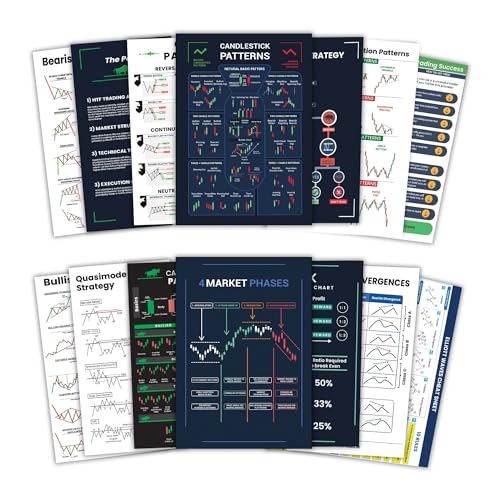
- Comprehensive Candlestick Pattern Set: Elevate your trading strategy with 14 high-quality trading chart pattern posters….
- Premium Quality Posters: Printed on durable, high-quality 300 GSM paper, these candlesticks chart patterns wall posters …
- Educational and Decorative: Perfect for both learning and decoration, these trading strategy posters not only enhance yo…

- About us: Brainy Bug Resources is a unique collection of resources for teaching language. Our resources have been develo…
- Adjectives Megadeck: 100+ describing words in one fun deck. Describing words (adjectives) are essential words that help …
- When? The concept of time is perhaps one of the most difficult linguistic concepts to teach, on account of how abstract …
Moreover, this timeframe enables traders to leverage technical analysis effectively. Candlestick patterns, support and resistance levels, and indicators gain better visibility over a 75-minute period, allowing traders to make more informed decisions. This analytical depth helps in minimizing risks and improving the likelihood of successful trades.
Another important aspect to consider is the reduced stress associated with trading in this timeframe. With a longer window to recognize and respond to market opportunities, traders can prevent the emotional turbulence that often accompanies rapid trading cycles. This advantage ultimately supports better mental health for traders while enhancing their performance.
Furthermore, as the world of trading evolves, staying adept in line with contemporary practices is vital. The importance of 75-minute timeframe in trading is further amplified in today’s markets, where consistent income generation is paramount. By trading within this interval, you can adopt a dynamic approach that meets modern-day trading demands.
In light of these benefits, it is evident that trading within a 75-minute timeframe offers compelling advantages that every trader should consider for boosting their income effectively. Why not give it a try and experience the potential gains for yourself?
Cons of Trading on a 75-Minute Timeframe
While trading on a 75-minute timeframe can provide numerous advantages, it is not without its drawbacks. One significant challenge is the inherent market noise that can arise in this relatively short trading window. Due to the frequent fluctuations within this timeframe, traders may find it difficult to discern genuine trends from random price movements, potentially leading to incorrect trading decisions.
Another downside is the requirement for a high level of discipline. Successful trading on a 75-minute basis demands that traders remain focused and adhere strictly to their trading strategies. Emotional decisions can easily lead to losses, particularly if a trader is lured by brief market spurts that do not align with their planned approach. Thus, maintaining discipline becomes not just beneficial but essential for achieving profitability.
Furthermore, the 75-minute timeframe may not offer sufficient historical data to make informed decisions. Relative to longer timeframes, traders may struggle to analyze past price behavior comprehensively, putting them at a disadvantage when looking for reliable signals. The lack of deep data can hinder the ability to perform thorough technical analyses, as patterns that are easier to identify in longer intervals become obscured in the 75-minute format.
Additionally, the psychological impact of trading on a 75-minute timeframe should not be overlooked. The fast pace of this trading style can lead to heightened stress and anxiety, causing traders to react impulsively. Over time, this pressure might detract from a trader’s ability to think clearly and rationally, further complicating their trading activities. As a result, while the 75-minute timeframe can indeed boost income, it also presents significant challenges that must be carefully considered.
How to Effectively Trade on a 75-Minute Timeframe
Trading on a 75-minute timeframe can offer distinct advantages to traders seeking to capitalize on market movements without being tied down to minute-by-minute volatility. To optimize your trading strategy, it is crucial to develop a well-defined trading plan that includes analysis, entry and exit strategies, and the right tools to enhance performance.
To begin with, technical analysis plays a pivotal role in understanding price movements within this timeframe. Utilizing chart patterns, moving averages, and key indicators such as the Relative Strength Index (RSI) can help traders identify potential entry and exit points. For instance, when the price crosses above a moving average, it may signal a buying opportunity, whereas a cross below could indicate a selling point. By focusing on these indicators within the 75-minute timeframe, traders can better analyze trends and patterns, allowing for informed decision-making.
Check this post out about swing trading!
Another vital aspect is creating clear entry and exit strategies. Establishing stop-loss levels is essential in managing risk; for instance, a stop-loss order below the recent swing low can prevent significant losses. Additionally, traders might consider setting a target profit level based on previous price action or resistance areas. This disciplined approach helps in maintaining emotional control during trading, particularly in a market that can change at a moment’s notice.
Utilizing trading tools such as desktop or mobile applications that support multiple timeframes can further enhance trading strategies. For example, analyzing lower timeframes in conjunction with the 75-minute frame can provide extra confirmation for trades, making it easier to spot emerging trends. In this day and age, where quick decision-making is paramount, having a robust toolkit at your disposal can significantly boost your income.
Emphasizing the importance of the 75-minute timeframe in trading cannot be understated. Its unique position allows traders to balance between long-term analysis and short-term strategies effectively. With the right approach, trading on this timeframe can provide lucrative opportunities that are worthy of exploration.
Boosting Income through the 75-Minute Timeframe
The 75-minute timeframe is increasingly recognized for its potential in enhancing trading income. It strikes a balance between short-term trading and longer-term investments, allowing traders to capture significant market movements without the anxiety associated with minute-by-minute volatility. The importance of the 75-minute timeframe in trading lies in its ability to blend technical analysis with enough breathing room to absorb market fluctuations, leading to better decision-making.
For instance, many traders find that entering and exiting trades within this timeframe allows them to maximize returns, especially in markets with frequent fluctuations. Consider a scenario where a trader identifies a bullish trend in a stock. By employing the 75-minute timeframe, they can react effectively to changing market conditions while still capitalizing on profitable moves. In contrast, trading on shorter timeframes may lead to missed opportunities due to the rapid pace of price changes.
Open DMAT Account with Mstock?
A real-life example that illustrates the success of trading within this timeframe can be seen with a certain commodities trader who adopted the 75-minute strategy. By analyzing price patterns and market news that unfolded over the course of about an hour, this trader could identify an upcoming surge in oil prices. Positioning themselves correctly, they executed trades that resulted in a profit margin far exceeding what they had previously experienced on shorter timeframes. Such examples underscore how trading on a 75-minute timeframe can potentially boost your income significantly.
Ultimately, in this day and age, as financial markets become more interconnected and responsive, the 75-minute timeframe appears not merely advantageous but essential for those looking to enhance their trading experience. Therefore, understanding and incorporating this approach can lead to increased profitability while minimizing risk.
Conclusion: Is Trading on a 75-Minute Timeframe Right for You?
In evaluating the importance of 75-minute timeframe in trading, it is essential to recognize how it accommodates various trading styles and preferences. This timeframe serves as a bridge between scalping and longer-term trading strategies, gaining traction among traders who seek a balance between risk and reward. Thus, assessing whether this approach aligns with your financial aspirations is crucial.
Trading on a 75-minute timeframe allows for more analyzed decision-making, reducing the emotional stress that often accompanies shorter timeframes. One of the significant advantages includes the opportunity to capitalize on market movements without the need for constant monitoring. This can be particularly beneficial for those balancing other commitments, making it a more sustainable and less stressful method. Moreover, it presents the potential for increased income, as traders are positioned to exploit price movements that occur within this moderate window.

However, individuals should also consider the pros and cons of trading on a 75-minute timeframe. While it offers potential for lucrative opportunities, it also requires a disciplined approach to risk management. Traders must be willing to conduct thorough research and remain aware of market conditions, as even small price fluctuations can have significant implications. Additionally, you should evaluate your risk tolerance and ensure that trading fits seamlessly into your lifestyle.
In this day and age, the emphasis on leveraging modern technology and data analysis makes trading on a 75-minute timeframe all the more relevant. It offers traders flexibility and the capability to analyze trends diligently. Therefore, it might be time to reassess your trading strategy and consider the myriad benefits that this timeframe can provide. Ultimately, whether or not you should give it a try lies in how well it fits with your trading objectives and personal circumstances.
Amazon and the Amazon logo are trademarks of Amazon.com, Inc, or its affiliates.
1 thought on “75-Minute Timeframe: Explore the charts on this powerful timeframe!”